Conversations about the future of education become more complete when they include the people studying today. Their experiences can reveal difficulties that remain hidden in discussions focused only on institutions and broad outcomes.
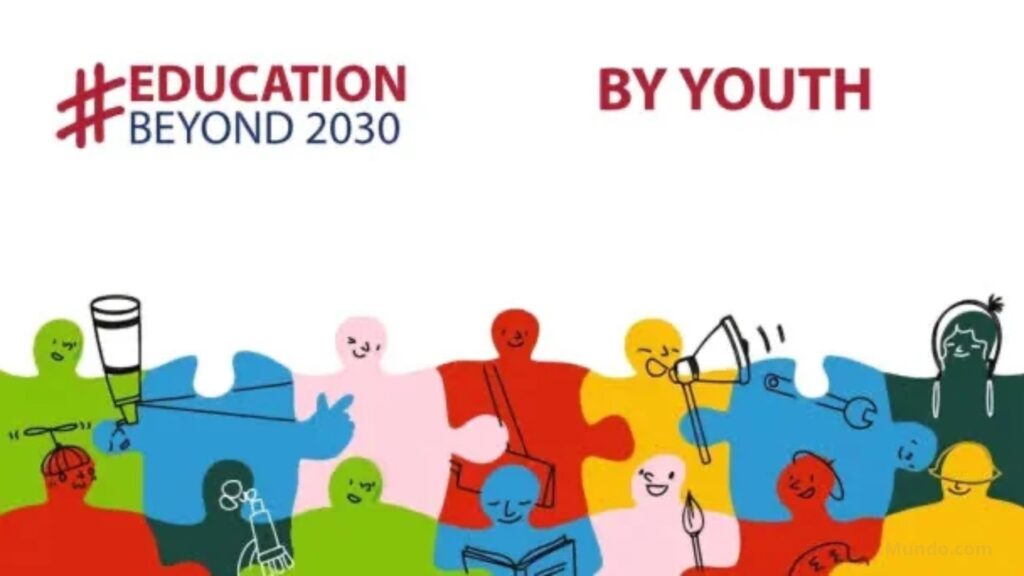
A UNESCO account published on November 12 describes how young participants worked on an education agenda beyond 2030 in Tokyo. The workshop took place on October 28 and 29 at United Nations University headquarters. The recent development is the publication explaining that process, rather than a workshop held this week.
The account offers a constructive idea: student participation can move beyond expressing concerns and become a process of researching, discussing, and drafting proposals.
How the Workshop Connected With a Wider Consultation
According to the published account, the process drew on a global consultation involving more than 200,000 young people from 194 countries. Seventeen participants worked on revising a draft, with youth and student networks involved in the discussion.
Topics included access, equity, learning quality, and technology. Participants also considered the distinction between commitments young people could make and requests directed toward governments or institutions. The workshop did not create a binding international policy. Its significance lies in the consultation and drafting process, which brought youth perspectives into a structured discussion about the direction of education.
Participation Requires More Than a Speaking Opportunity
Inviting students into a room does not automatically give them influence. Participation becomes more meaningful when they know which decisions are open and how their contributions will be used.
Access to understandable information matters too. Without clarity about objectives and constraints, participants may be asked to comment on choices they cannot properly evaluate.
A constructive process allows questions, time to examine proposals, and an explanation of what happens afterward. Listening begins the relationship. Showing how the input affected the next step helps establish that participation is a form of collaboration with a visible purpose, rather than an activity whose results disappear after the meeting.
Concrete Problems Lead to More Useful Proposals
A phrase such as improving education can attract broad support while offering little guidance for action. Discussion becomes more productive when it identifies a particular difficulty and the people affected.
A concern about school communication, for example, can lead to questions about instructions, channels, and response times. Those details make it possible to compare alternatives and observe whether a change helps.
Learning to develop such proposals is educational in itself. It involves distinguishing causes from symptoms, listening to different experiences, and anticipating consequences. Drafting becomes a way to sharpen thinking, rather than simply arranging statements that sound agreeable or expressing frustration without identifying a next step.
Many Responses Do Not Eliminate Differences
A large consultation can gather valuable experiences, but the number of participants does not make their needs identical. Students of different ages and circumstances may identify competing priorities.
The challenge is to avoid treating the most common response as a complete description of everyone. Less frequent experiences can still reveal important barriers that deserve attention.
A drafting group benefits from explaining where ideas came from and which perspectives may remain underrepresented. That transparency strengthens the discussion. A proposal does not need to claim perfect representation to offer something useful. It can acknowledge its boundaries while providing a clearer account of the experiences it has considered.
Technology Should Be Discussed Through Learning Goals
Digital tools can occupy a large part of any conversation about future education. Choosing them wisely begins with the learning that needs support.
An application might help students practice a skill, organize material, or access resources. Its contribution depends on how it fits into the activity and whether students can use it effectively.
Guidance is also important. Learners need opportunities to question an answer, recognize uncertainty, and assess information. Student participation can provide insight into those everyday experiences. Their observations may reveal a difference between what a tool is expected to do and what happens when someone tries to use it for a real assignment.
Distinguishing Responsibilities Makes Action Clearer
Different actions depend on different people. A student group may organize a discussion or gather feedback, while changes to facilities or institutional rules require other decision-makers.
Separating these responsibilities helps prevent a proposal from becoming a list of wishes with no clear audience. It also makes collaboration easier to identify.
For each proposed step, participants can ask who could act, what support would be needed, and how progress might be reviewed. This approach works for small projects as well as wider discussions. Clear responsibilities make it easier to recognize achievements and understand where a difficulty is preventing further progress.
Schools Can Practice This Approach Now
A school does not need to wait for an international workshop to create a meaningful participation process. It can begin with a manageable question, hear from different groups, and prepare a proposal for discussion.
The response should then return to the participants. Explaining what can change, what requires further work, and what is currently impractical keeps the exchange honest.
The UNESCO account shows that thinking about education’s future also involves practicing participation in the present. When young people investigate, discuss, and turn experience into proposals, they develop tools for contributing to their communities. That learning has immediate value, even while larger education agendas remain under development and the next steps are still being negotiated.