Acura announced an update to the Integra Type S on November 13, introducing a 2027 Heritage Edition that connects the modern performance model with the visual identity of the Integra Type R. Scheduled to reach American dealerships in December, the special edition will be limited to 700 units for the United States.
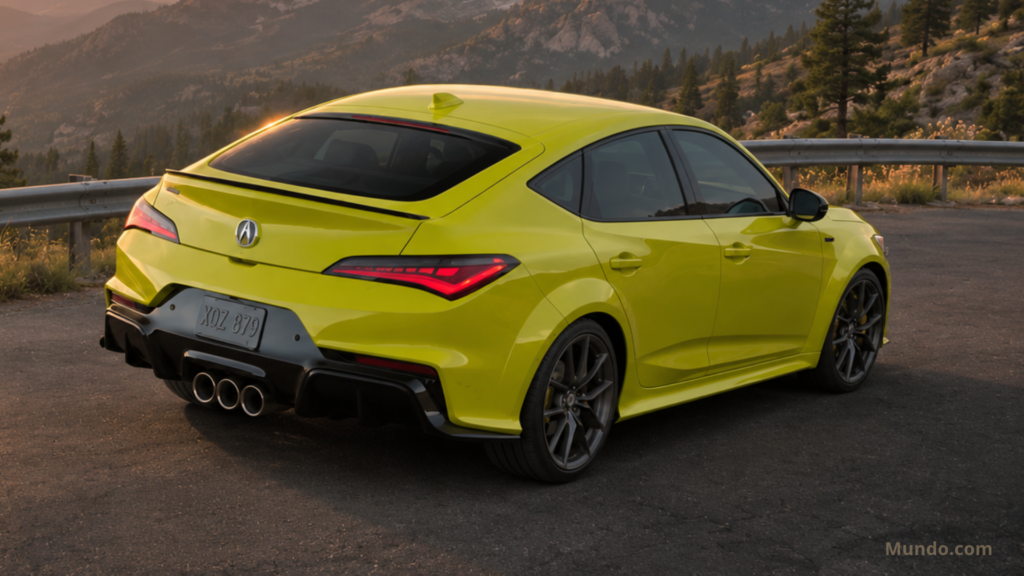
The announcement offers more than an eye-catching exterior color. It also provides an opportunity to examine how a performance car develops its personality through the details a driver sees and touches. Historical references can attract attention, but everyday comfort determines how those details feel after the excitement of the first drive.
The Heritage Edition’s Main Changes
The Heritage Edition features exclusive Blazing Phoenix Yellow paint, copper-finished wheels, black badges, and a titanium shift knob. Inside, an Ebony interior incorporates yellow accents. The Type S retains a turbocharged 2.0-liter engine producing 320 horsepower and 310 pound-feet of torque, paired with a six-speed manual transmission.
Acura is also adding convenience features to the Type S lineup, including driver-seat memory, reverse-tilting mirrors, and brake-hold memory. These updates are less dramatic than a distinctive paint finish, but they address interactions that can matter whenever an owner gets behind the wheel.
Why Interior Details Can Carry Historical Meaning
A heritage-inspired car works best when its identity continues beyond its exterior. Paint can communicate a reference immediately, while the cabin creates a more personal connection through repeated use.
A shift knob illustrates the difference. In a manual car, it is an object the driver touches throughout a journey. Its shape, surface, and feel become part of the driving routine. That makes it a particularly effective place to express a design idea.
For an enthusiast, such details can make historical inspiration feel tangible. The appeal does not require reproducing an older interior completely. A carefully chosen reference can connect generations while allowing the modern cabin to remain practical and coherent.
The Cabin Deserves More Than a Quick Look
Exterior photographs often determine a car’s first impression. Ownership, however, happens largely from the inside. Seat position, visibility, control placement, and the space around the driver influence every journey.
When considering an interior with contrasting accents, it is worth examining it in natural light. A combination that looks subtle in a photograph may appear brighter in person. Different surfaces can also reflect sunlight in ways that are difficult to judge from promotional images.
These observations help buyers think beyond initial attraction. The question becomes whether the design remains comfortable and appealing during an ordinary commute, an evening drive, and a longer trip with passengers.
Small Convenience Features Can Make a Noticeable Difference
Seat memory is a useful example of a feature whose value depends on the owner’s circumstances. If two people regularly share a car, returning to a familiar position can make the beginning of each trip easier.
Mirror behavior can also influence parking convenience, although individual preferences vary. Some drivers appreciate a changed view while reversing, while others prefer to retain their usual reference points. Trying the feature personally is more useful than assuming it will suit everyone.
These details encourage a broader way of evaluating performance cars. Acceleration and handling matter, but so do entering the vehicle, getting comfortable, parking, and managing the transitions between different drivers.
A Manual Transmission Is a Lifestyle Choice Too
For someone who enjoys active involvement, a manual gearbox can be a central part of a car’s appeal. Coordinating the pedals and selecting a gear creates a rhythm that some drivers find deeply satisfying.
That involvement should also be imagined in the conditions the owner actually encounters. A clear weekend road and a crowded weekday commute create different experiences. Neither represents the entire ownership picture.
A thoughtful purchase considers both. Buyers can ask how frequently they drive, what kinds of roads they use, and whether manual operation remains appealing across those situations. The right answer depends on personal priorities rather than an assumption that one type of transmission suits every enthusiast.
Limited Production Does Not Predict Future Value
A restricted production run can make a configuration feel special. It may appeal to collectors or to buyers who enjoy owning something uncommon. However, rarity alone cannot establish what a vehicle will be worth years later.
It is useful to separate mechanical changes, convenience equipment, and appearance-related features when comparing versions. Each can contribute to enjoyment, but they offer different kinds of value.
An owner may reasonably choose a special edition because its design creates a stronger emotional connection. That decision does not need an investment argument. Considering insurance, maintenance, purchase conditions, and intended use provides a more grounded basis for deciding whether the edition fits a particular budget and lifestyle.
What to Check When Cars Reach Dealerships
The planned December arrival should give prospective buyers an opportunity to evaluate aspects that an announcement cannot settle. These include seat comfort, material feel, visibility, and how the interior colors appear outside a studio.
A useful visit allows time to adjust the driving position and operate frequently used controls. If a test drive is available, it helps to include representative traffic and road conditions rather than concentrating on one exciting moment.
The Heritage Edition’s strongest attraction may be the way it connects memory with daily interaction. Its design invites attention from the curb, but its lasting appeal will depend on how naturally that character fits into the experience of driving and living with the car.