For a research prototype, a simple task can establish that several parts of a system work together. The prompt has to reach the computing hardware, the software has to execute and the result has to return in a usable form.
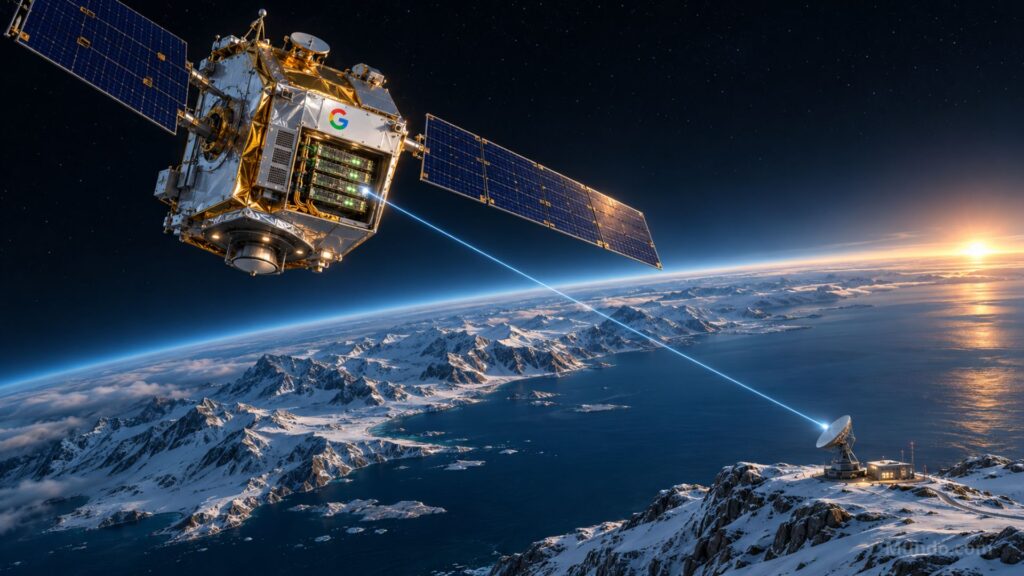
The content of the response is less important than that complete chain. An ordinary-looking answer can therefore represent a useful engineering checkpoint without demonstrating the full ambition of a project.
A helpful comparison is a new instrument producing its first readable measurement. The result matters because it confirms basic operation. Researchers still need repeated measurements under different conditions before they can characterize its reliability or decide which applications are practical.
A prototype does not establish an economic case
The question of whether something can run is different from whether it can run at an acceptable cost. A larger evaluation would need to account for the full system and the work it is expected to perform.
For a hypothetical computing service, relevant questions would include how much useful work is completed, how consistently the service is available and what resources are needed to operate it. A comparison would also need an appropriate alternative doing the same job.
The announcement does not supply enough information to conclude that orbital computing is cheaper than a ground-based option. Recognizing that limit makes the demonstrated milestone easier to appreciate on its own terms.
Reliability requires repeated operation
A successful first task provides a starting point for more demanding tests. The next useful evidence would show how performance changes across repeated workloads and operating conditions.
An informative report could describe what was tested, how long it ran and which outcomes counted as success. It would also help to know whether interruptions affected the result and how researchers identified their cause.
These are proposed evaluation questions rather than undisclosed findings about the satellite. They reflect a general principle of engineering assessment: repeatability and an understandable method make a result more useful than an isolated demonstration, especially when the long-term ambition involves dependable computing service.
The connection is part of the computing experience
A remote computing system must be evaluated through more than the processing hardware alone. A user needs a way to send work and obtain the result.
Different tasks could tolerate different delays. An experiment that runs in the background has different requirements from an interactive service that responds during a conversation. A useful future comparison would identify the intended task before judging whether the complete system performs well.
This is an analytical distinction, not a statement that Project Suncatcher has been validated for either category. The first returned response establishes a communication-and-computing event, while broader service performance remains a separate question requiring more evidence.
Environmental claims need complete accounting
Research into new computing arrangements naturally invites questions about energy and environmental impact. A credible comparison should describe the boundary of the calculation rather than focus on one attractive part of the system.
An evaluator could ask which stages are included, how long the equipment is expected to remain useful and what amount of completed computation forms the basis of the comparison. Different assumptions could produce different conclusions even when the hardware demonstration is the same.
The current milestone should therefore not be presented as proof that AI computing in space is environmentally superior. The constructive opportunity is to generate the evidence needed for a transparent assessment as the research progresses.
What readers should watch next
Readers can also look for explicit descriptions of limitations. An update that explains what a test could not establish provides a stronger foundation for understanding the next experiment and assessing whether a later milestone resolves the same question.
Future updates will be most useful when they connect a new test to a specific unanswered question. A successful reliability trial would answer a different question from an inter-satellite demonstration or an estimate of operating cost.
Keeping those categories separate allows readers to follow progress without treating every technical achievement as a complete commercial breakthrough. It also helps explain why research may advance through modest-looking steps before the larger picture becomes clear.
Project Suncatcher’s first returned answer is a memorable and positive research development. Its importance lies in showing a prototype carrying out a real computing task beyond Earth. The next chapter will depend on repeated testing and evidence that explains what the hardware can do consistently, under which conditions and for which useful purposes.