Google Fitbit Edge is on store shelves, according to an October 30 availability update from Google. The company highlights a larger, brighter tracker display, physical side controls and a design shaped around the wrist. The news marks a retail-availability update for the wearable, rather than its original product announcement.
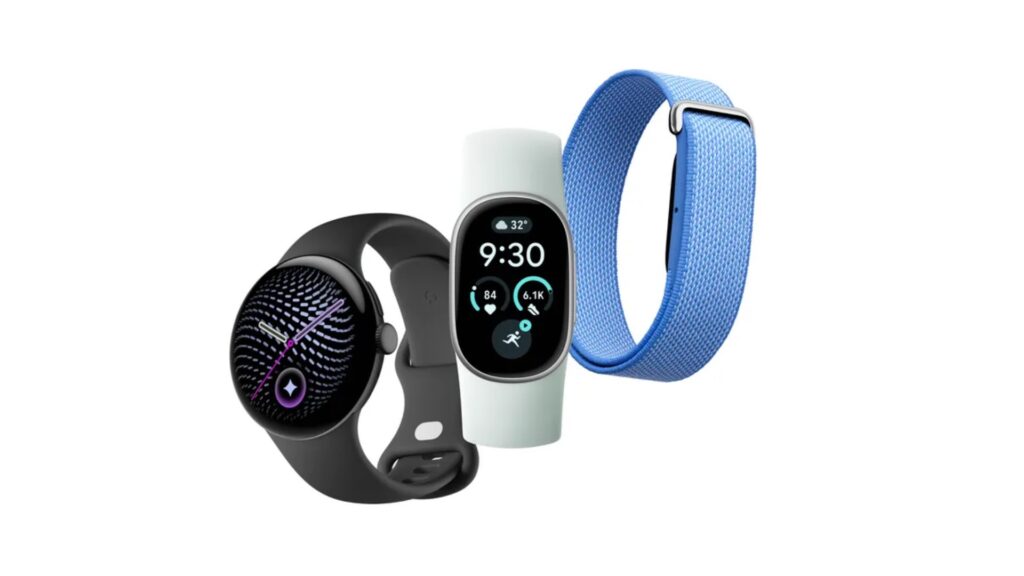
Google lists compatibility with most phones running Android 11 or later and iOS 16.4 or later. Setup requires a Google Account, the Google Health app and an internet connection; some features require a separately sold subscription. The company says availability and results vary, and the device is not intended for medical purposes. Buyers should confirm local stock and applicable features rather than assume that a global announcement establishes availability in every country.
The earlier product announcement lists a standard US retail price of $179.99 and battery life of up to seven days, both useful reference points that should be checked against local offers and actual use.
Readability is an everyday feature
A wearable has limited space to present information, so display design can affect how comfortable it is to use. A meaningful demonstration should include the information the buyer expects to consult regularly.
For an illustrative in-store check, a customer could inspect a notification, navigate several screens and see whether the text is easy to understand at the normal viewing distance. It would also be useful to examine the screen under ordinary indoor lighting rather than rely only on promotional images.
The objective is not to judge brightness from a specification alone. It is to establish whether the interface communicates clearly during the brief glances that make a small wearable useful.
Physical controls deserve a practical trial
A button can look straightforward while still requiring the user to learn its behavior. Buyers should try common actions and pay attention to whether the feedback is understandable.
For example, they could examine how to return to the main screen, move through available options and recover after an unintended selection. The important question is whether those actions feel predictable enough to use repeatedly.
This is a suggested usability check, not an independent finding that Fitbit Edge’s controls are better than a competing device. Familiarity also matters: someone changing from another tracker may need time to adjust even when the new arrangement is well designed.
Comfort needs more than a quick glance
A wearable should suit the way its owner expects to wear it. The shape of the device, the adjustment of the band and the position on the wrist can all affect the experience.
A useful fitting session would include ordinary wrist movements rather than only looking at the device in a mirror. Buyers could check whether the fastening is easy to adjust and whether the wearable interferes with sleeves or a normal desk posture.
Longer-term comfort cannot be established completely in a shop. A clear return policy may therefore be useful for a buyer who has not worn a similar device before. The purchase decision should account for actual wearability alongside the feature list.
The app is part of the product
Before choosing a wearable, buyers should examine the associated software and account requirements. A device that looks attractive on the wrist may still feel inconvenient if the information is difficult to find on the phone.
A practical checklist could begin with three tasks the buyer expects to perform most often. The customer could then confirm where those tasks appear, what setup they require and whether the desired functions are included in the basic experience.
This approach helps distinguish an advertised capability from the complete arrangement needed to use it. It also gives the buyer a reason to compare the phone-side interface rather than judge the wearable entirely by the hardware display.
Subscriptions change the ownership calculation
The advertised device price is only one part of the decision when optional paid services are involved. Buyers should identify which features matter to them and determine whether continued access requires a recurring payment.
A simple comparison could consider the device cost over the period the owner expects to keep it, together with any subscription they actually plan to maintain. A temporary promotional period should be kept separate from the ongoing price.
The result does not have to favor the cheapest option. A recurring service may be worthwhile if it supplies something the owner uses regularly. The useful decision is an informed one based on the desired experience and the actual local terms.
Battery claims should be tested against a routine
An advertised maximum battery figure provides a starting point, but buyers should ask how charging fits into their own week. Settings, usage and the functions selected can affect the practical experience.
A helpful ownership trial would record when the device is charged and whether it remains available during the activities the user considers important. The aim is to find a routine that is convenient, rather than chase a number under conditions that differ from everyday use.
Fitbit Edge’s retail update gives interested buyers an opportunity to make that assessment directly. Its positive proposition is an accessible, glanceable wearable experience. Whether it is the right choice will depend on readable information, comfortable fit, manageable software and a clear understanding of the full cost.