Toyota and Waymo’s autonomous bZ4X collaboration is moving toward a practical testing phase. In an October 30 announcement, the companies said they plan to begin testing and validating an autonomous fleet in Japan in 2027. The development builds on their earlier partnership and introduces a clearer manufacturing plan for vehicles intended to support future ride-hailing operations.
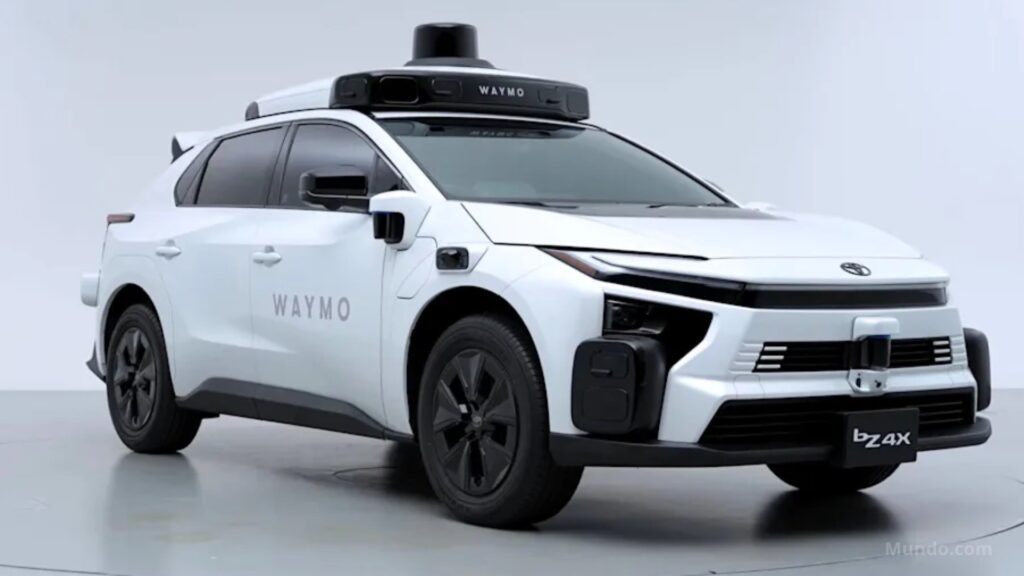
Toyota says the vehicles will be assembled at its Takaoka plant, with autonomous-driving hardware integrated at the same location. The companies also describe passenger-focused features including automatic doors and a power liftgate. Expansion to the United Kingdom and other markets served by Waymo is planned for later years. These are announced plans, not confirmation that customers can book the new fleet today.
Woven by Toyota’s related statement explicitly places commercial service after the initial operations. Readers should therefore separate the testing timetable from a public-service launch date.
A clearer link between the car and the service
For a passenger, autonomous transportation is an entire experience. Ordering the vehicle, finding the pickup location, entering the cabin and completing the trip all contribute to whether the service is useful.
The manufacturing side matters because the vehicle and its operating equipment need to function together consistently. A practical evaluation should consider how the finished car supports the work it is expected to perform throughout a day of service.
That includes routine tasks that receive less attention than the driving technology. A vehicle has to be inspected, cleaned and made ready for its next passenger. These are general operating considerations, rather than specific results disclosed by the partnership.
Accessibility should be assessed through complete journeys
Passenger-friendly equipment can be promising without answering every accessibility question. A useful assessment would follow a person through a complete trip, including the moments before the car arrives and after it stops.
For example, a hypothetical rider carrying groceries might need a clear way to identify the correct vehicle, sufficient time to load bags and an understandable indication that the trip is ready to begin. Another rider might need instructions that do not depend solely on hearing an announcement or reading a small display.
These situations suggest what passenger testing could examine. They should not be read as confirmation that the announced vehicle supports every accessibility requirement. Detailed service information and direct user evaluation will be needed to establish that.
Testing and public availability are separate milestones
A development program can make meaningful progress before it becomes a service that ordinary passengers can use. Testing may establish how the vehicle behaves within specified conditions, while public operations involve additional decisions about service areas, support and readiness.
Readers can follow progress more accurately by looking for the purpose of each announcement. Is a company describing vehicle development, road validation, an invitation-only trial or open commercial access? Those stages answer different questions.
The distinction also helps prevent a date from becoming misleading. A year attached to initial testing does not automatically specify when a passenger can book a trip, what a journey will cost or which neighborhoods will be included.
The passenger interface deserves attention
An understandable interface could make an unfamiliar service easier to try. A passenger should be able to tell which trip has been booked, where the vehicle intends to stop and how to request help if something is unclear.
A useful demonstration would include a routine trip and a change of plan. For instance, evaluators could examine how the service communicates when a preferred pickup point is unavailable. The quality of that explanation may influence trust as much as an uneventful journey.
This is an editorial suggestion for future evaluation. The collaboration announcement does not supply a complete passenger-support manual or establish how every unusual situation will be handled. Those details will be important as the program moves closer to commercial use.
Factory integration gives reviewers another question
Integrating specialized equipment during vehicle production invites examination of consistency. Future reporting could explain how completed vehicles are checked and how maintenance teams confirm that a car remains ready for service.
Useful evidence would connect those checks to operating requirements rather than simply show an assembly demonstration. A fleet needs a repeatable process for determining when a vehicle can return to work after inspection or repair.
No conclusion about cost savings or service reliability can be drawn from the manufacturing plan alone. However, a clearer production arrangement gives observers a concrete area to watch as the collaboration develops beyond its initial announcement.
Why the development is worth following
The positive opportunity is a broader range of mobility options, including services that could help people who cannot or prefer not to drive. Whether that opportunity is realized will depend on the complete experience, its availability and the evidence supporting its operation.
Toyota and Waymo have supplied a more specific next step for their collaboration. The most informative future updates will show how testing progresses, what passengers can expect and when access becomes possible. Until then, the news is a planned autonomous-fleet development program with a defined starting point, rather than a finished service available everywhere.