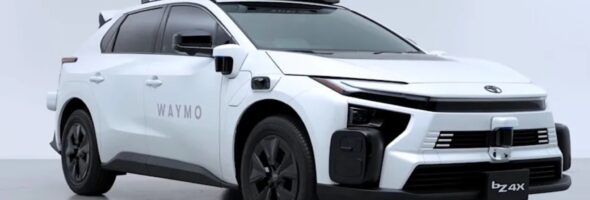
Foxconn’s electric vehicle reference models now include two more SUVs and a compact truck. The company unveiled MODEL A+, MODEL K+ and MODEL K at Hon Hai Tech Day in Taipei on October 30. The announcement gives automotive customers additional examples of the vehicles Foxconn is offering to help design and manufacture.
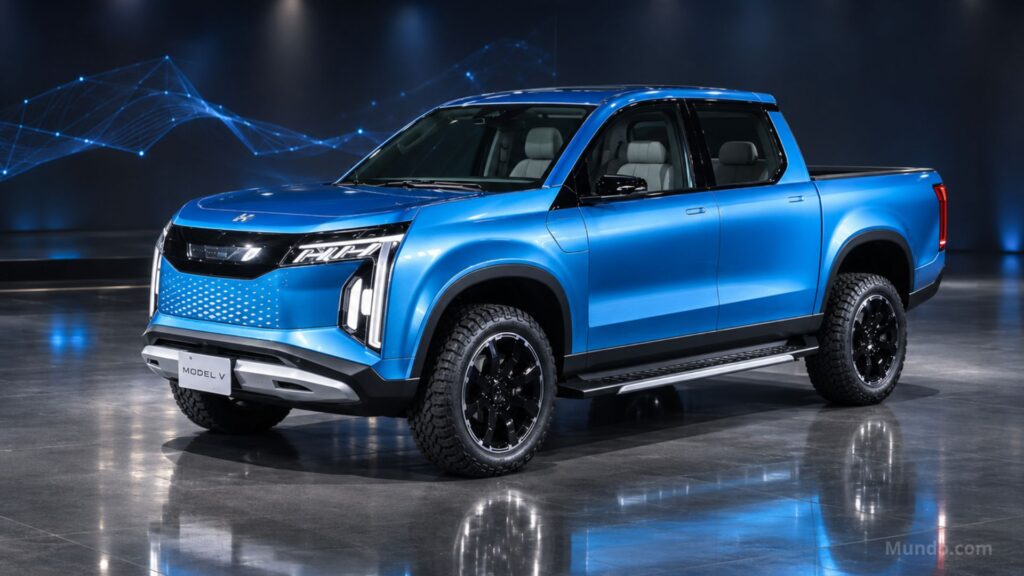
Foxconn positions the designs within its business-to-business contract development and manufacturing service. It describes MODEL A+ as an SUV, MODEL K+ as a customizable lifestyle SUV and MODEL K as a compact commercial truck aimed at applications such as last-mile services. The additions bring its reference portfolio to 12 models. These are reference vehicles for potential automotive partners; the reveal should not be mistaken for a country-by-country retail launch.
What a reference vehicle tells buyers
A reference design can show a possible combination of proportions, components and intended uses. The eventual customer vehicle still depends on the brand and market that take the project forward.
For readers, the important distinction is between a demonstrated concept and a purchasable product. A presentation can be informative without supplying a final price, a local warranty or a delivery date. Those details need to be established for the version that reaches the customer.
A useful way to follow development is to look for the next concrete commitment. A named production partner, a market-specific specification or a confirmed manufacturing program would each add information beyond the initial showcase.
Two SUV ideas suggest different priorities
An SUV can serve very different routines depending on the customer. Some owners prioritize passenger space and luggage, while others value compact dimensions, distinctive styling or a specific leisure activity.
Future vehicles derived from these designs should be evaluated against the use they are intended to support. A long equipment list is less informative than an explanation of how the vehicle handles a realistic journey with people and belongings aboard.
For an illustrative family comparison, buyers could check how easily passengers enter the rear seats and whether the luggage area fits their usual bags. For a smaller lifestyle vehicle, visibility and maneuverability might receive greater weight. These are proposed evaluation criteria, not findings from a test of Foxconn’s reference vehicles.
The truck raises a practical urban question
Compact commercial transport deserves attention because a useful work vehicle does not always need to be large. An operator may value how easily a vehicle fits into a loading space or supports repeated stops during the day.
Consider a hypothetical local delivery business carrying lightweight goods. Its vehicle assessment could begin with the shape of the cargo, the number of daily stops and the distance between them. A convenient loading arrangement might matter as much as an eye-catching performance specification.
That does not establish that MODEL K meets the needs of a particular fleet. It explains why a small commercial reference design could attract interest and which details a future production announcement would need to provide.
Fleet economics require more than an energy claim
For a business, a vehicle’s usefulness can be reduced to a practical question: can it complete the required work at an acceptable total cost?
A meaningful comparison would include purchase or lease terms, charging arrangements, maintenance, insurance and time unavailable for work. It would also account for the actual load and route, rather than assume that a headline range applies to every operating day.
An operator could create a representative schedule and test a candidate vehicle against it. Recording what happens during loading, driving and charging would provide a clearer basis for a decision. These are suggested management methods; the reference-model reveal does not supply an independently verified cost calculation for a production fleet.
Customization needs clear responsibilities
A flexible development offer can appeal to an automotive brand with a specific customer group. The practical challenge is to define which parts of the vehicle are adaptable and who is responsible for the finished product.
For the eventual owner, that responsibility appears in ordinary questions. Who provides service? Where are replacement parts obtained? Which organization handles a warranty claim? How are software updates supported?
Those questions become more important as a reference vehicle moves toward production. A manufacturing partnership should eventually translate into an understandable ownership arrangement. Readers should wait for the relevant brand and distributor to publish that information instead of assuming that every showcased capability will be included locally.
What progress would look like next
The most useful follow-up would connect one of the reference designs to a defined product program. That would allow readers to examine specifications, timing and the market the vehicle is meant to serve.
Production vehicles could then be tested for the jobs suggested by their design. An SUV would need an assessment of passenger comfort and daily usability, while a work truck would need evaluation under a representative load and route.
Foxconn’s announcement is encouraging as an expansion of development options for automotive partners. Its lasting significance will depend on which designs become supported products. For now, the reveal offers three distinct starting points and a clear reason to watch the next steps toward manufacturing and customer availability.