Tesla posted three words on X on September 12, 2026 — “Go for launch” — and for the first time since the Roadster concept surprised the crowd at a 2017 Tesla Semi event, the long-promised second-generation sports car has an actual date attached to it: October 1, 2026. The reveal is set for 8:30 p.m. local time in Waco, Texas, a location roughly 90 minutes north of Tesla’s Austin headquarters and within driving distance of SpaceX’s McGregor engine test facility — a detail that hasn’t gone unnoticed given persistent speculation about SpaceX involvement in the car’s design.
Attendance isn’t open to the general public. Invitations are non-transferable and limited strictly to Roadster reservation holders, tying the guest list to deposits some customers have held for years, in several cases since the original 2017 unveiling. Reservation holders were required to RSVP by midnight on September 16, 2026, and Tesla has scheduled the event for evening hours in a way that should accommodate a livestream for anyone not attending in person.
The Numbers Everyone Keeps Repeating, and Why They’re Not Confirmed
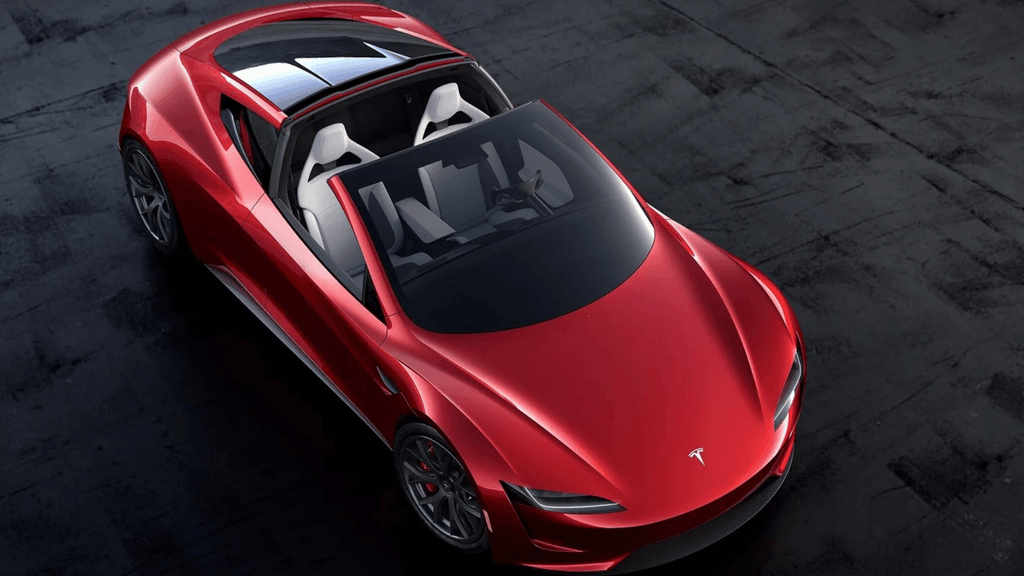
Tesla’s own website still describes the Roadster using figures first announced back in 2017: a 0-60 mph time of 1.9 seconds, a top speed above 250 mph, and 620 miles of range from a 200-kWh battery pack. It’s important to be direct about what those numbers actually are — original program targets from nearly a decade ago, not results from any independently tested, current-generation production car. Whether the vehicle Tesla shows on October 1 still matches those original figures, or whether the car has been substantially redesigned in the years since, remains an open question the reveal itself will need to answer.
That distinction matters because Tesla has a well-documented history of shifting the Roadster’s timeline. CEO Elon Musk originally teased a 2020 launch at $200,000. By the 2021 shareholder meeting, that had become a 2023 production target. At Tesla’s third-quarter 2024 earnings call, Musk said the design was close to finalized but pushed production to 2025. None of those dates held. Even now, with an actual reveal locked in, Musk’s prior statements suggest that production itself won’t begin until 12 to 18 months after the October event, with Gigafactory Texas confirmed as the eventual build location and a 2027-2028 window as the current target for actual customer deliveries.
A Possible Second, Far More Radical Version
Adding to the anticipation, The Information reported last month that Tesla’s launch was imminent and that the company is planning two distinct versions of the car: a standard, road-legal Roadster, and a separate, far more expensive “flying Roadster” variant. That report described the limited flying version as using SpaceX-developed cold gas thrusters, and said the demonstration vehicle would likely be remotely operated during any public display, rather than driven, given the noise and force those thrusters would generate.
Tesla’s own teaser image, posted alongside the “Go for launch” announcement, shows little more than what appears to be the car’s taillamps and four circular elements mounted on top — details that have fueled speculation those circular elements could be the thrusters described in earlier reporting. Reported pricing puts the flying variant potentially in the hundreds of thousands of dollars, possibly exceeding $1 million, while the standard Roadster carries an expected starting price around $200,000, with a limited Founders Series variant around $250,000. None of those figures have been formally updated or reconfirmed as part of the September announcement, and Tesla has given no indication that new trims or pricing tiers are coming.
What a Concept Car Promised vs. What a Production Car Must Deliver
The original 2017 Roadster concept was shown in both coupe and convertible configurations, featuring a removable glass roof panel, and Tesla’s promotional materials described seating for up to four people — though photos of the concept displayed on Tesla’s own website have generally shown a two-passenger configuration instead, another detail that hasn’t been resolved in the years since. What technology features, interior layout, or software the redesigned 2026 version will actually carry remains entirely unknown ahead of the reveal.
Why the Timing Has Drawn Extra Scrutiny
The October 1 date lands in a politically charged moment, arriving roughly five weeks ahead of the November 2026 midterm elections and amid what commentators have described as an active affordability crisis shaping much of the election cycle’s public discourse. A $200,000-plus sports car reveal from a company led by a prominent, politically outspoken CEO has drawn some criticism on those grounds specifically — a reminder that even a niche, low-volume halo vehicle can become a symbol in a broader economic conversation that has little to do with the car’s engineering.
What Reservation Holders and Shoppers Should Actually Expect
Because October 1 is explicitly a reveal and specification announcement rather than a delivery date, anyone holding a reservation or considering placing one should treat everything currently published about the Roadster’s performance, range, and pricing as inherited from a nearly decade-old announcement rather than confirmed for whatever car actually appears on stage. The reveal itself should resolve several genuinely open questions: whether the 2017 performance targets still apply to a redesigned vehicle, whether the flying variant is real and separately priced from the standard road car, and what a realistic production and delivery timeline looks like given Tesla’s history of Roadster delays. Given that history, the most reasonable approach for anyone considering a purchase is to wait for October 1’s confirmed details rather than budgeting around figures Tesla published years before this specific car was finalized.