Amazon-owned Ring announced a new encryption system on August 26, 2026, designed to reduce how long the company itself can access customer video footage — and, as a direct consequence, what it can hand over to law enforcement. The system, called TAKE, short for “Throw Away the Key Encryption,” will roll out in stages starting in September and is set to eventually become the default encryption method for all Ring customers worldwide.
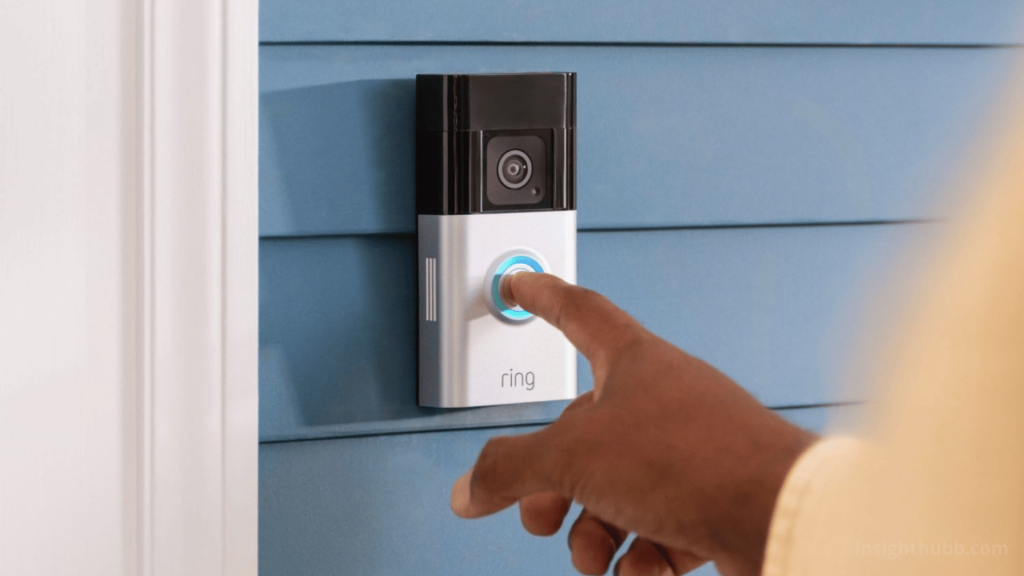
“Privacy and security are not a one-time announcement for us. They are part of how we build,” Ring said in its announcement. “We are constantly listening to what matters most to our customers and inventing accordingly to deliver the best products and experiences possible.”
How TAKE Actually Works
Currently, Ring video is encrypted while traveling to the cloud, but Ring’s own cloud infrastructure retains the ability to access footage once it’s stored there. TAKE changes that by protecting videos with unique encryption keys that rotate every five minutes, stored in what the company describes as a secure enclave. According to CNN Business, when stored in the cloud under TAKE, a customer’s videos sit in what amounts to a digital vault that only the customer holds the key to — Ring says it only obtains temporary access to that key, with a customer’s approval, to power features like AI-based video search, and then “throws away the key” afterward rather than retaining ongoing access.
Newer Ring devices will handle this encryption on-device, while older models will encrypt footage once it reaches the cloud. Full end-to-end encryption remains available as a separate, stricter option for customers who want it, alongside TAKE becoming the new baseline default.
What Ring Can Still Share With Police
TAKE doesn’t eliminate Ring’s ability to respond to law enforcement entirely — it changes what the company is technically capable of providing. According to Ring’s privacy page, for customers using TAKE or full end-to-end encryption, the company says it can only provide “non-video information, such as basic subscriber information” in response to valid legal requests like warrants, subpoenas, and court orders. A Ring spokesperson confirmed to reporters that the company would also provide encrypted video files alongside that non-video information when compelled by valid legal process — meaning police could still receive video data, just not in a form Ring itself can unlock for them.
This is a meaningful shift from Ring’s current arrangement. Police cannot access customer accounts or cameras directly, and requests currently flow through Ring’s Community Requests system, which lets customers choose whether to share specific footage. TAKE adds a technical layer on top of that policy-based control.
A Company With a Complicated Privacy History
Ring’s relationship with law enforcement and user privacy has drawn scrutiny for years. In 2019, reporting revealed that Ring employees in multiple countries had broad access to customer video footage. The company ended warrantless footage requests made through its Neighbors app back in 2024, only to reintroduce a police-request pathway the following year through a partnership with body-camera maker Axon — a reversal that reignited privacy concerns even though users can decline those specific requests. Ring first introduced optional end-to-end encryption back in January 2021, meaning privacy-conscious customers already had a way to block company and police access to their footage before TAKE arrived; what changes now is that a version of that protection becomes the default rather than an opt-in setting.
What This Means for Ring Owners
For most Ring customers, TAKE’s rollout this September should be largely invisible day to day — smart alerts, AI video search, and other cloud-dependent features are designed to keep working normally under the new system. The more meaningful change is what happens behind the scenes if law enforcement ever requests footage from your account: under TAKE, Ring itself won’t hold a readily accessible copy the way it effectively does today. Customers who want the strongest possible protection can still opt into full end-to-end encryption separately, though doing so may limit access to certain cloud-based features that rely on Ring being able to process video content.