Starting a smart home does not always require expensive cameras, smart speakers, or full automation systems. For many homeowners, the easiest first step is a smart plug.
One popular option is the Kasa Smart Plug Mini, a small Wi-Fi plug from TP-Link’s Kasa line. It connects to a wall outlet and allows users to control a regular device from a phone.
That means a normal lamp, fan, coffee maker, charger, or small appliance can become part of a smart home setup.
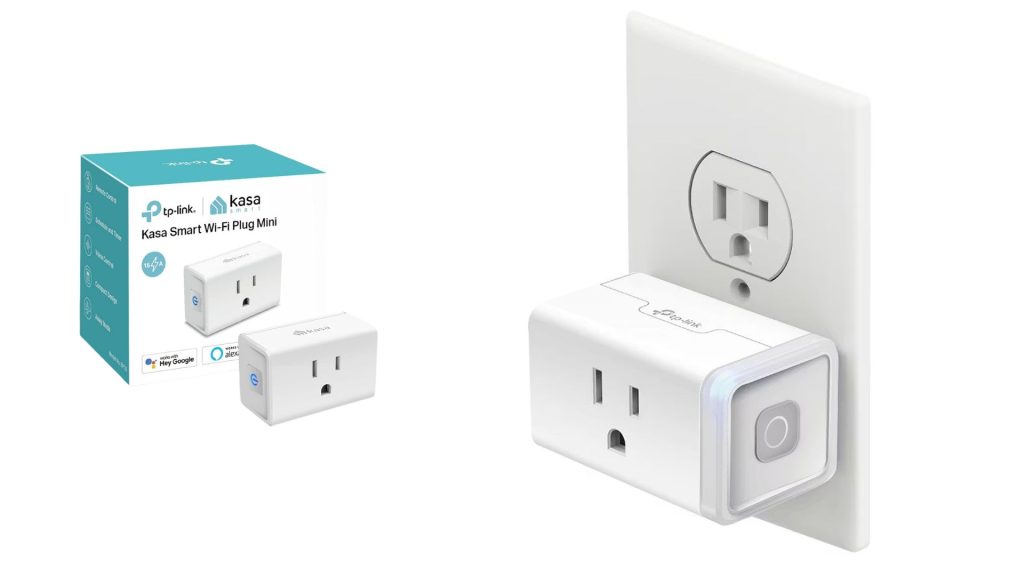
What Is the Kasa Smart Plug Mini?
The Kasa Smart Plug Mini is a compact smart plug that works through Wi-Fi and the Kasa app. According to Kasa, its smart home products are designed to work without complicated hubs. Users only need a Wi-Fi connection and the Kasa app to set up and control devices.
Through the app, users can turn connected devices on or off, create schedules, and manage them remotely. The Kasa Smart app also allows users to monitor and control TP-Link smart home devices from anywhere, according to its Google Play listing.
How Does It Work?
The setup is simple. First, plug the Kasa Smart Plug Mini into a wall outlet. Then, connect a device to the smart plug. After that, use the Kasa app to connect it to Wi-Fi.
Once it is connected, the device can be controlled from the phone. For example, users can turn on a lamp before arriving home or schedule a fan to turn off at night.
Some newer Kasa smart plugs also support Matter, which helps them work with major smart home platforms. A recent report from The Verge noted that Kasa’s Matter-compatible smart plugs can work with platforms such as Amazon Alexa and Google Assistant.
What Can You Use It For?
The Kasa Smart Plug Mini is useful for basic home automation. It can help control:
Lamps
Fans
Coffee makers
Phone chargers
Holiday lights
Small appliances
Desk lights
Air purifiers
However, users should always check the plug’s power rating and avoid connecting devices that exceed its limits.
Price and Value
One reason smart plugs are popular is price. They are usually much cheaper than replacing a regular device with a smart version.
Prices can change depending on retailer, country, and bundle. As a reference, The Verge recently reported a sale where two Kasa Matter-compatible smart plugs were available for $21.99, or about $11 each.
That makes smart plugs one of the most affordable ways to test smart home technology.
Pros
The biggest advantage is cost. A smart plug lets users automate devices they already own.
It is also easy to install. Most people do not need special tools or wiring.
Another benefit is scheduling. Users can create routines for lights, fans, or appliances. This can make daily life more convenient.
Some models also include energy monitoring, which can help users understand how much electricity a connected device is using.
Cons
The main limitation is that a smart plug only controls power. It cannot change advanced settings on the connected device.
For example, it can turn a fan on or off, but it cannot change the speed unless the fan has a physical setting already selected.
Another limitation is Wi-Fi dependence. If the internet or home network fails, remote control may not work properly.
Also, not every appliance should be used with a smart plug. Devices that create heat, such as space heaters, should be used carefully and only if the smart plug is rated for that purpose.
The Kasa Smart Plug Mini is a practical and affordable way to start a smart home. It is best for people who want to control lamps, fans, chargers, and small devices without buying expensive smart appliances.
It is not the most advanced smart home device, but that is exactly why it works well for beginners. It is simple, useful, and inexpensive.