For more than a decade, Google’s laptop identity was built on affordability. Chromebooks became a fixture in schools and budget shopping lists precisely because they were inexpensive, simple, and good enough for browsing and documents. On October 4, 2026, Google began trying to change that reputation. The first Googlebooks went on sale in the United States that day, with availability following on October 5 in Canada, the UK, Ireland, France, Germany, and Australia.
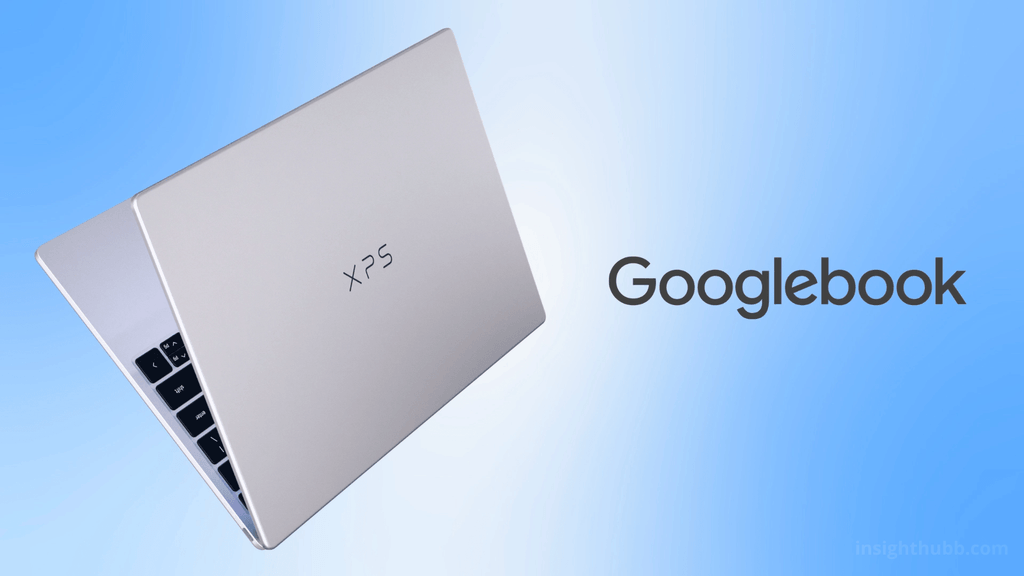
Google first announced the Googlebook on May 12, 2026, presenting it as the successor to the Chromebook. Alexander Kuscher, a senior director at Google, told Wired that Googlebooks would “sit at the more premium end of the laptop market,” while Chromebooks would continue to be supported after launch. In other words, this is not a rebrand of the old product line. It is a separate, more expensive category that sits alongside it, with hardware partners including Acer, Asus, Dell, HP, and Lenovo.
What Googlebook OS Actually Is
The software underneath matters as much as the hardware. Googlebook runs on Googlebook OS, an operating system that combines an Android foundation with desktop elements inherited from ChromeOS. During development it was known by the codename Aluminium OS, but Google has clarified that name was only internal. Lenovo describes the result as built on a unified Android and ChromeOS foundation, and reviewers have stressed that it is not a Chromebook with a new sticker.
The practical appeal is integration with Android phones. Lenovo’s materials highlight day-one phone handoff, meaning a task started on an Android phone can continue on the laptop without friction. For people already living in Google’s ecosystem, that connection is arguably a bigger selling point than any single hardware specification.
The First Model: Lenovo’s Googlebook 15
Lenovo is the first partner to detail its machine fully. The Lenovo Googlebook 15 starts at $1,099.99 and went on sale October 4 through Google Store, Best Buy, select retailers, and Lenovo itself. The Google Store lists a configuration with 16GB of memory and 512GB of storage at $1,149.
The headline specifications are premium by any standard. The display is a 15.3-inch OLED touchscreen with a 2880 by 1800 resolution, a 16:10 aspect ratio, a 120Hz refresh rate, 500 nits of peak brightness, and 100% DCI-P3 color coverage. Inside is an Intel Core Ultra 5 processor, with configurations offering up to 32GB of memory and up to 512GB of storage. Lenovo says the processor delivers up to 47 TOPS for on-device AI work, and rates the battery at up to 12.5 hours. Despite the large screen, the laptop weighs 1.29 kilograms, or about 2.84 pounds, which Lenovo says makes it the lightest 15-inch laptop in its portfolio. Extras include a quad-speaker system with Dolby Atmos, a haptic touchpad, and Wi-Fi 7.
Gemini Is Built Into the Experience
Artificial intelligence sits at the center of the pitch. Google and Lenovo describe the system as running Gemini Intelligence, and the most distinctive feature is called Magic Pointer. Users wiggle the cursor to summon Gemini wherever they are on the screen, then perform contextual actions, such as combining two images into a poster or adding a date from a webpage straight into Google Calendar. A separate feature called Rambler is a voice tool aimed at handling multilingual conversations.
Lenovo has even designed an AI Mouse specifically for the platform, with a dedicated button for Gemini and controls for Magic Pointer. Buyers of the Googlebook 15 also receive a 12-month trial of Google AI Pro, which Lenovo says includes expanded Gemini access and 5TB of cloud storage, though promotional terms can vary.
The Price Is the Real Test
At $1,099.99, the Googlebook 15 competes directly with premium Windows laptops and with Apple’s MacBook line, a very different arena from the sub-$400 market that made Chromebooks famous. That is a bold repositioning, and reviewers have been direct about the question it raises. As one hands-on write-up put it, the open issue is whether Googlebook OS and its Gemini-first features can move from clever demonstrations to tools people actually want to use every day, particularly when the starting price already sits in traditional premium-laptop territory.
The timing adds another wrinkle. Laptop prices have been climbing across the industry this year because of the global memory chip shortage, so a premium machine arriving in this environment will be judged both on its features and on whether it feels like fair value against rising prices for everything else on the shelf.
Reviews Will Decide Whether This Lands
Because the laptops only just reached stores, independent reviews of retail units are still arriving. Early coverage has focused on specifications and first impressions from manufacturer previews, which is not the same as weeks of daily use. Battery life under real workloads, the reliability of Gemini features, and how well phone handoff performs outside a controlled demo are all questions that only longer testing can answer.
The Bet Google Is Really Making
The Googlebook is less a single product than a statement about where Google wants its laptops to go: upmarket, AI-first, and tightly connected to Android. For existing Chromebook users, nothing changes immediately, since Google has promised continued support. For shoppers weighing a new premium laptop this fall, the Googlebook is now a genuine option worth comparing, but it makes sense to wait for independent reviews before assuming the Gemini features justify the price. If they do, Google will have found a way to move beyond the budget corner it has occupied for years. If they do not, the Googlebook will be an expensive reminder that reputations built on low prices are difficult to rewrite.