Nissan announced a celebration of the Qashqai’s 20-year history on November 12, including a digital archive dedicated to the model’s development. The initiative gives enthusiasts a chance to explore more than finished photographs and familiar specifications.
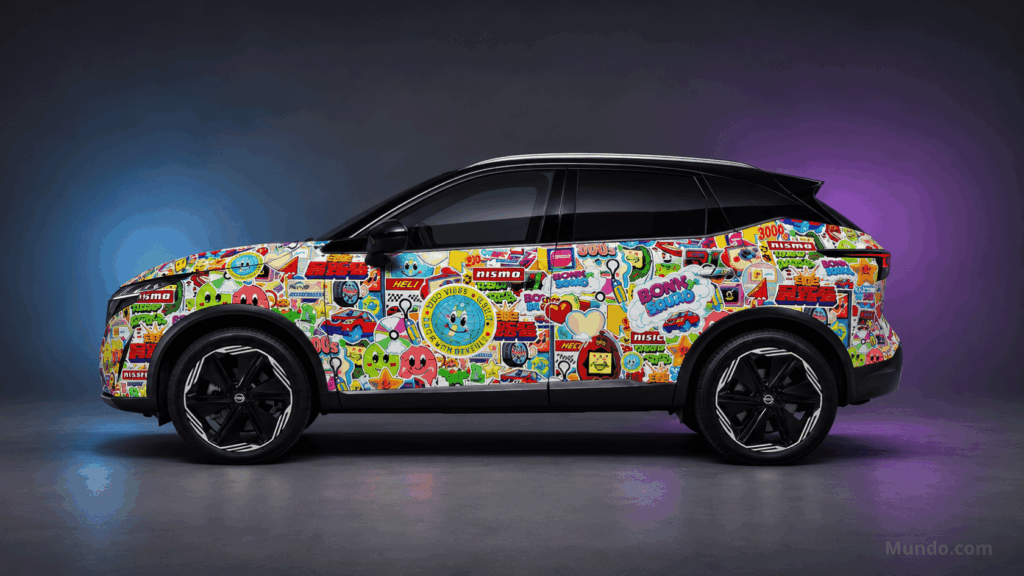
The celebration also includes a one-off interpretation inspired by the visual culture of the early 2000s. It should be understood as a commemorative creation rather than the announcement of a production trim available to purchase.
For readers interested in interiors, design, and the relationship between cars and everyday life, the anniversary offers a useful perspective: an automobile can also be a record of the habits and expectations of its time.
What Nissan Is Celebrating
Nissan says global sales had exceeded 7.3 million units through October 2026, including the model’s different market names. Its history spans three generations and more than 100 markets.
The digital collection brings together sketches, photographs, historical videos, and key milestones. The commemorative creation includes Y2K-inspired details, a visual contribution from digital artist heymoonly, velour seat covers, and a functioning iPod. These features are part of a cultural interpretation of the model’s early era. They should not be confused with changes to the specifications of current production vehicles or the introduction of a new showroom edition.
An Archive Reveals Choices Behind the Finished Car
A production vehicle can appear to be a definitive answer. Design sketches reveal something more interesting: alternatives, experiments, and different ways of imagining how a car might be used.
The relationship between a roofline and the body, the position of a window, or the shape of a dashboard reflects choices among competing priorities. Looking at earlier work encourages questions about what changed and what remained.
For enthusiasts, this can make a familiar model feel newly interesting. For design students, it creates an opportunity to examine a process. The finished object becomes the starting point for a discussion about proportion, function, and the decisions required to connect them.
Interiors Preserve Everyday Cultural History
Technology inside a car ages in a distinctive way. An object that once signaled modernity can later become an instantly recognizable reference to another period.
That is why an older music player can carry more meaning than its practical function alone suggests. It recalls how people selected songs, transported personal media, and connected devices during a journey.
Textures and colors can create similar associations. Together, they make the cabin a small record of ordinary habits. Observing those details connects automotive design with broader cultural changes. It also reminds us that the history of a car includes the objects and routines people brought into it.
Nostalgia Works Best When Its Purpose Is Clear
A commemorative creation can be enjoyable without becoming a template for modifying every vehicle. An exhibition piece operates in a different context from a car used daily in changing conditions.
Someone inspired to personalize an interior can begin by identifying the intended goal. Is the aim to create a visual reference, improve comfort, or organize belongings more effectively? Each purpose suggests different criteria.
This distinction allows people to appreciate creative ideas while evaluating their own choices thoughtfully. A tribute can succeed by prompting memories and conversation. Its value does not depend on whether every detail would be practical or appropriate for a particular owner’s vehicle.
Imagine the Cabin During an Entire Day
Promotional interiors are usually clean, carefully lit, and free of everyday clutter. Real use introduces bags, bottles, shopping, cables, and passengers with different needs.
That is where practical questions appear. Where does a phone go? Which objects remain loose? Is entering the rear seat convenient? Can a frequently used control be found quickly?
Thinking through an ordinary day helps connect design with experience. A visually attractive solution can be evaluated alongside its usefulness rather than separately from it. The anniversary archive offers a reason to practice that kind of observation, looking at interiors as spaces people actively use instead of merely surfaces they admire.
Names and Generations Need Careful Reading
Exploring an international model’s history requires distinguishing its commercial name, generation, and market specification. A familiar badge does not necessarily mean every version shares the same equipment or components.
This matters when comparing historical photographs, researching an interior, or considering a used vehicle. The year, market, and exact version provide the context needed to interpret what is being shown.
An archive can enrich that research, but an attractive image does not establish the features of a particular car. The distinction is useful for enthusiasts as well as buyers. It turns a broad interest in a model into a more precise understanding of how its different versions developed.
A Celebration That Can Improve How We Observe Cars
The Qashqai anniversary is interesting because it makes a visual history available and connects that history with a playful interpretation of an earlier period. Its appeal extends beyond counting years or repeating sales figures.
Exploring sketches and interior references can help readers develop a clearer vocabulary for design. It becomes easier to explain why a proportion feels balanced, why an object evokes a memory, or why a cabin arrangement suits a particular activity.
For anyone interested in car interiors, the invitation is simple: look at materials, objects, proportions, and uses with curiosity. The history of those choices can make the cars we see today more understandable and more enjoyable to examine.