Digital wallets have become a common way to pay for groceries, coffee, transportation, online shopping, and subscriptions. Instead of using a physical card, users can pay with a phone, smartwatch, or app.
But many people still ask: are digital wallets safe for everyday payments?
In most cases, yes. Digital wallets can be very secure when they are used correctly. However, like any financial tool, they still require smart habits.
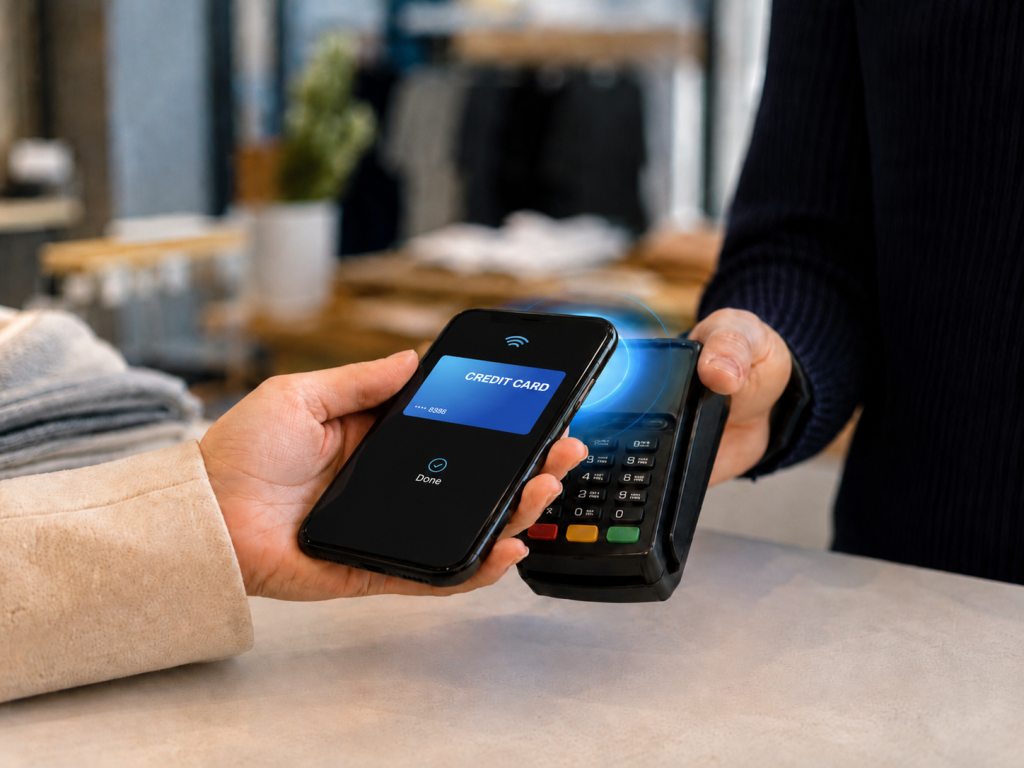
What Is a Digital Wallet?
A digital wallet is an app or service that stores payment information securely. Examples include Apple Pay, Google Wallet, Samsung Wallet, PayPal, Venmo, Cash App, and banking apps.
Some wallets are used for contactless payments in stores. Others are used for sending money, shopping online, or managing cards in one place.
Why Digital Wallets Can Be Safer Than Cards
One important security feature is tokenization. Instead of sharing your real card number with a merchant, many digital wallets use a unique digital token. Visa explains that tokenization replaces sensitive payment details with unique values, helping reduce fraud risk.
Mastercard also explains that tokenization protects the account because the merchant does not see or store the real card number during a digital wallet transaction.
Digital wallets also often require a phone passcode, fingerprint, face recognition, or another form of authentication before payment. This adds a security layer that a physical card may not always have.
What Risks Still Exist?
Digital wallets are not risk-free. A lost phone, weak passcode, phishing message, fake app, or compromised account can create problems.
Payment apps can also involve privacy and consumer protection concerns. In the United States, the CFPB finalized a rule in 2024 to supervise large nonbank digital payment and wallet providers that process more than 50 million transactions per year. The goal is to help ensure these companies follow federal consumer financial laws.
This shows that digital wallets are now important enough to require stronger oversight in major markets.
How to Use Digital Wallets Safely
Users should protect their phone with a strong passcode and turn on biometric authentication when available. They should also enable two-factor authentication for payment apps.
It is also important to download wallet apps only from official app stores, avoid suspicious links, and keep the phone’s software updated.
If a phone is lost, users should use device tools to lock, locate, or erase it. Chase also recommends monitoring accounts stored in a digital wallet and using phone security features that can lock or wipe the device if needed.
What This Means for Everyday Users
Digital wallets can be a safe and convenient option for daily payments. In some situations, they may even be safer than carrying a physical card because they use tokenization and device authentication.
Still, safety depends on how the user manages the device and account. A digital wallet is strongest when paired with good habits: secure your phone, check transactions, avoid scams, and use trusted apps.
For everyday payments, digital wallets are practical, fast, and generally secure. But they should be treated like any financial tool: useful, convenient, and worth protecting carefully.