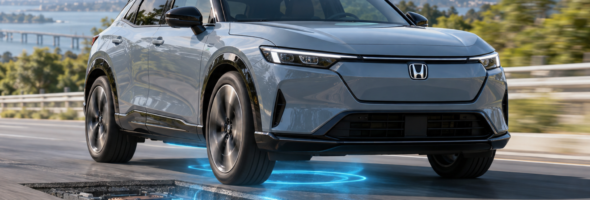
The Ford Transit City electric van is expected to arrive in South America toward the end of 2026, with Argentina among the first markets mentioned for the region. The model is designed for urban delivery, service work, and commercial fleets that need cargo space with lower operating emissions.
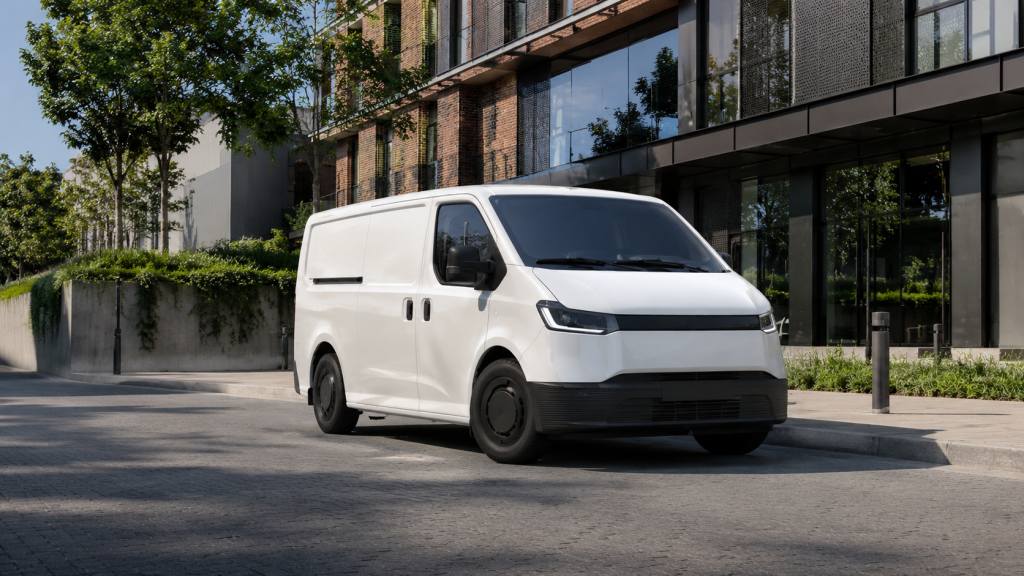
What Ford Transit City Offers
Ford confirmed the Transit City as a 100% electric commercial vehicle focused on city operations. It will sit below the larger E-Transit in the brand’s commercial vehicle lineup, giving companies a smaller option for daily work routes.
The van uses a 56 kWh lithium iron phosphate battery and a 110 kW electric motor, equal to about 150 horsepower. Ford lists a targeted driving range of up to 254 kilometers, based on a full charge.
Built for Urban Delivery
The Transit City is aimed at businesses that operate in cities, where routes are usually shorter and more predictable. According to Ford, many urban delivery vehicles travel less than 110 kilometers per day, which helps explain the model’s focus on practical range instead of long-distance driving.
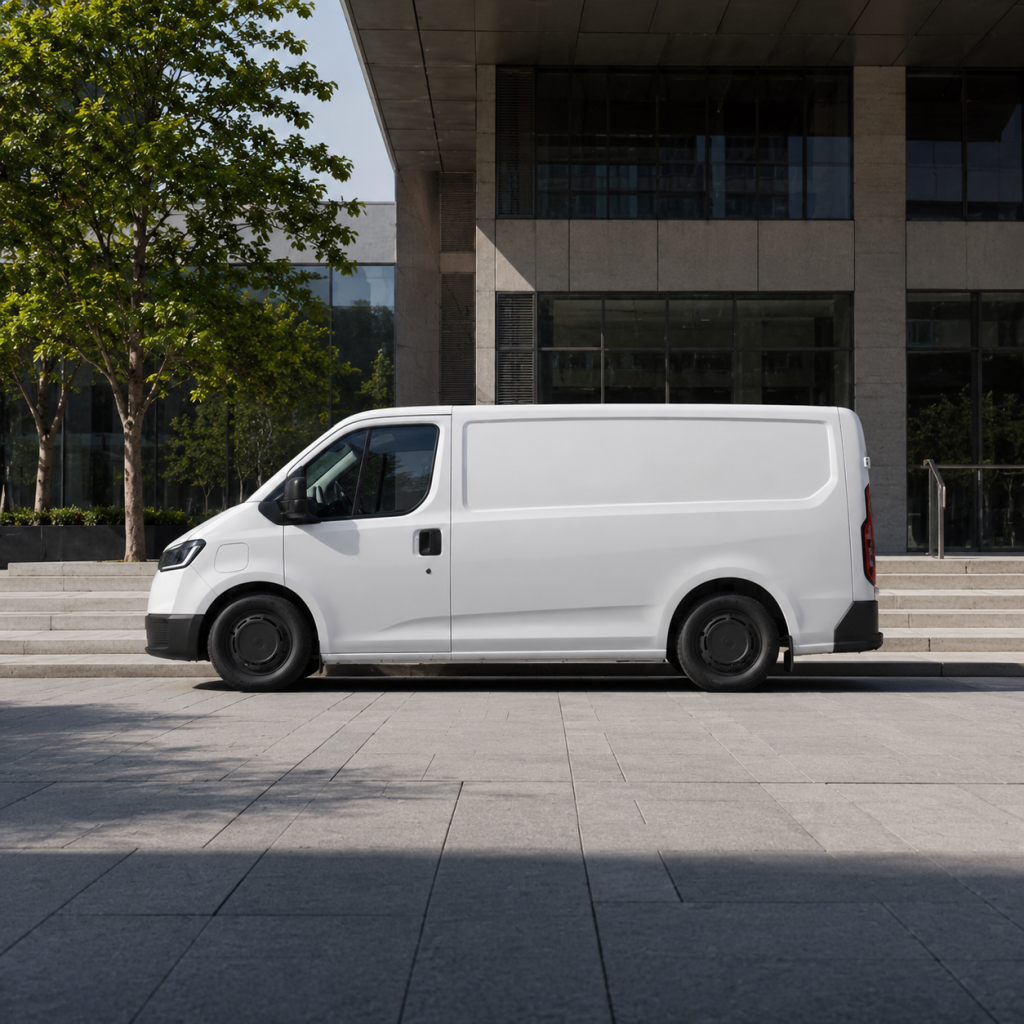
The van will be offered in different configurations, including panel van and chassis-cab versions. The larger L2H2 version can offer up to 8.5 cubic meters of cargo space and a payload of up to 1,275 kilograms, while the chassis-cab version is designed for special commercial conversions.
Charging and Technology
Charging is one of the key points for fleet operators. The Transit City supports DC fast charging of up to 87 kW, allowing the battery to go from 10% to 80% in about 33 minutes. With AC charging at 11 kW, the same charging range takes around four and a half hours.
Inside, the van includes technology aimed at daily work use. Reported features include a 12.3-inch touchscreen, Apple CarPlay, Android Auto, keyless start, rear camera, parking sensors, and driver assistance systems such as adaptive cruise control and lane support.
Why It Matters for South America
The arrival of the Ford Transit City electric van could give South American businesses another option for electrifying commercial fleets. This is especially relevant for last-mile delivery, maintenance services, and companies that operate mainly inside large cities.
However, details such as final prices, exact launch dates, and full market availability remain limited at this stage. Charging infrastructure, local incentives, and operating costs will likely influence how quickly businesses adopt this type of electric vehicle.
What This Means for Drivers and Businesses
For drivers, the Transit City could offer a quieter and more modern work vehicle for city routes. For companies, the main appeal is the possibility of reducing fuel use, improving fleet monitoring, and adapting to cleaner mobility requirements.
The bigger question is how ready each South American market will be for electric commercial vehicles. If charging access improves and costs remain competitive, vans like the Ford Transit City could become a practical step toward cleaner urban logistics.