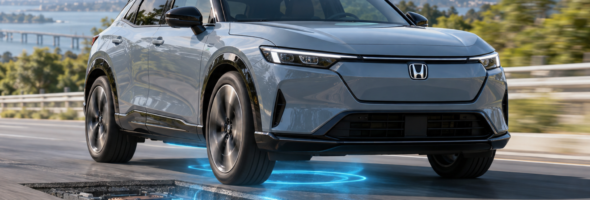
Tires are one of the most important safety parts of any vehicle. They affect braking, steering, fuel efficiency, comfort, and stability. However, many drivers only notice tire problems when the damage is already serious.
That is why smart tires are becoming an important technology in modern mobility. These tires use sensors and connected systems to monitor real-time data and alert drivers before small issues become dangerous.
What Are Smart Tires?
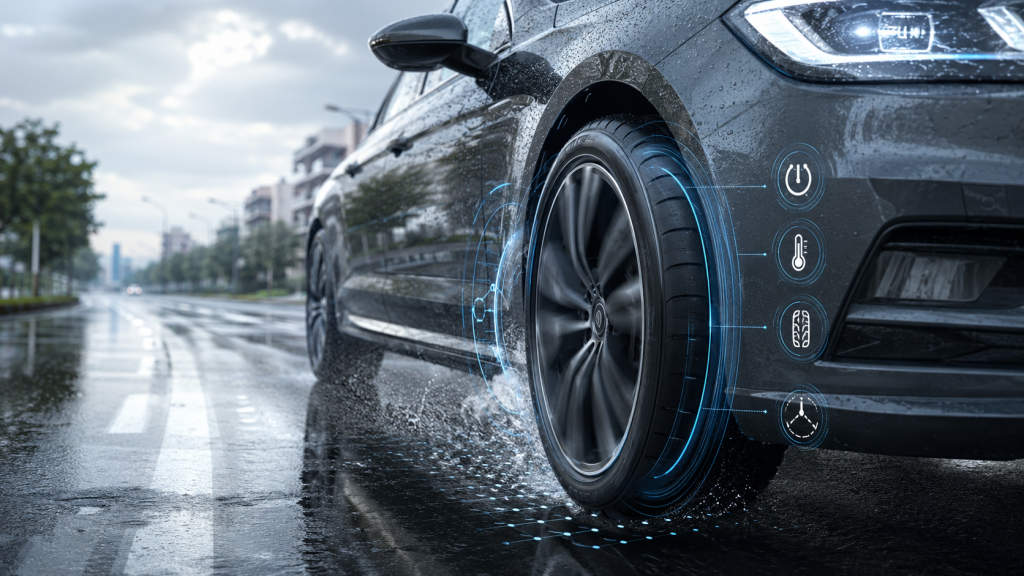
Smart tires are tires equipped with sensors that collect information about tire condition and road behavior. Depending on the system, they can monitor pressure, temperature, tread wear, load, and even road surface conditions.
Continental explains that next-generation tire sensors are expected to go beyond pressure monitoring. They may detect abnormal temperatures, small punctures, and early signs of risk before major damage happens.
How Do Smart Tire Sensors Work?
Smart tire systems usually place sensors inside the tire or near the valve. These sensors collect data and send it to the vehicle, a mobile app, or a fleet management platform.
For example, a sensor can detect low pressure or rising temperature. Then, the system can warn the driver to check the tire.
This matters because underinflated tires can affect braking, handling, and efficiency. In commercial fleets, smart tire systems can also help maintenance teams detect problems before a vehicle breaks down.
How They Could Improve Road Safety
The biggest benefit is early warning. If a tire is losing air, overheating, or wearing unevenly, the driver can receive an alert before the situation becomes risky.
Smart tires could also help advanced driver-assistance systems. Goodyear has demonstrated smart tire technology that uses tire and road condition data to support automatic emergency braking in wet conditions. According to Goodyear, recent testing showed that integrating its SightLine technology with AEB could help braking systems respond earlier in adverse weather.
This shows how tires could become active safety tools, not just passive parts of the vehicle.
Benefits for Drivers and Fleets
For everyday drivers, smart tires can help reduce surprise tire problems. They can also support better fuel efficiency and longer tire life by helping drivers keep pressure and temperature in safer ranges.
For fleets, the value is even bigger. Michelin Connected Fleet explains that tire pressure and temperature monitoring can alert operators when pressure drops below set thresholds, identify service needs, reduce downtime, and help avoid costly repairs.
This can be useful for delivery companies, buses, trucks, and other vehicles that spend many hours on the road.
Challenges and Limitations
Smart tires also bring challenges. The technology can add cost, and drivers may need compatible vehicles, apps, or monitoring systems.
Another limitation is availability. Some advanced smart tire features are still being tested or used mainly in fleet and commercial systems. They are not yet standard in every passenger car.
Privacy and cybersecurity also matter. As tires become connected, manufacturers will need to protect the data that sensors collect and transmit.
What This Means for Road Safety
Smart tires could become an important part of road safety because they give drivers real-time information about pressure, temperature, tread wear, and road conditions.
They do not replace regular inspections, safe driving, or proper maintenance. However, they can help drivers react earlier and reduce risks.
As cars become more connected, tires may become one of the most valuable sources of safety data on the road.