Smart pet feeders are becoming popular among pet owners who want more control over feeding times and portions. These devices can release food automatically, often through an app or programmed schedule.
However, before buying one, it is important to understand what they can and cannot do.
What Is a Smart Pet Feeder?
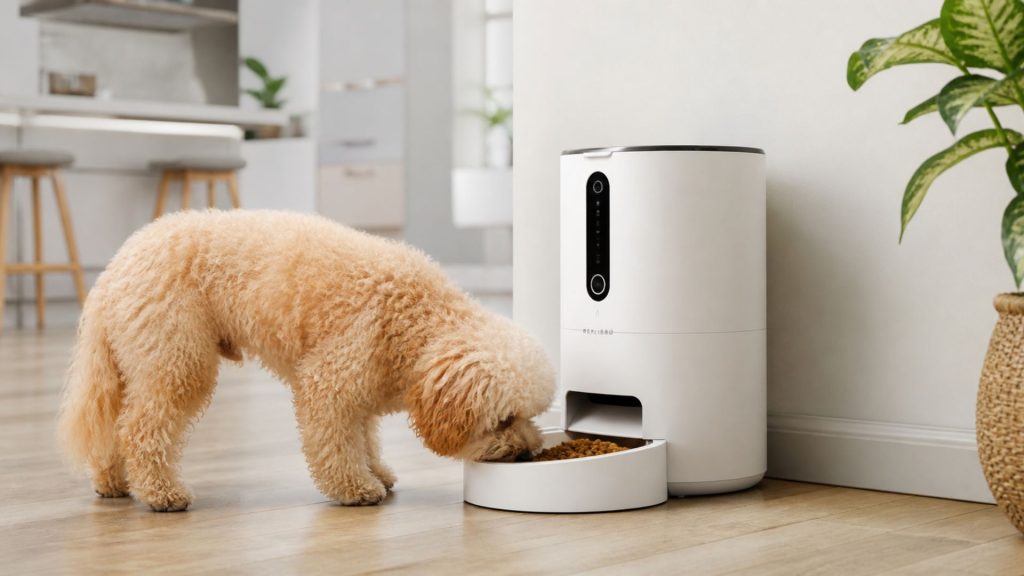
A smart pet feeder is an automatic food dispenser for cats or dogs. Many models allow owners to set meal times, control portions, and manage feeding from a phone.
Some feeders also include cameras, voice recording, battery backup, or microchip access for homes with more than one pet.
Why It Can Be Useful
The biggest benefit is consistency. A feeder can help pets eat at regular times, even when the owner is busy.
It can also support portion control. This matters because overfeeding can contribute to weight gain. VCA Animal Hospitals notes that automatic feeders can release controlled amounts of food at specific times, and some microchip models help prevent pets from eating each other’s food.
What to Check Before Buying
Before choosing a smart feeder, look at these points:
- Food type: Some feeders only work with dry kibble.
- Portion accuracy: Check if the feeder can release the right amount for your pet.
- Cleaning: Removable parts make hygiene easier.
- Power backup: A battery option helps if the power goes out.
- App control: Make sure the app is simple and reliable.
- Pet size: Large dogs may need a stronger feeder and bigger capacity.
- Multi-pet use: Microchip access can help if one pet steals food.
Important Limitations
A smart feeder should not replace daily care. Pets still need fresh water, attention, exercise, and supervision.
Also, feeders can jam or fail. For that reason, they are better for daily routines than long trips without someone checking on the pet. The SPCA BC warns that automated feeders can jam, which may leave cats without food.