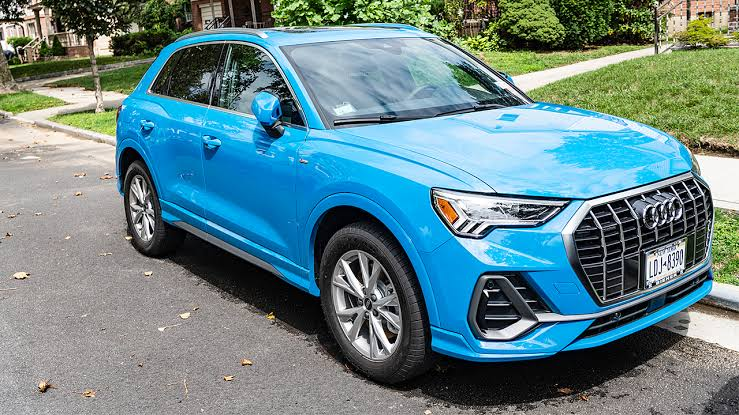
Volkswagen Group of America issued a safety recall covering 208,724 vehicles across three models — the Volkswagen Atlas, Volkswagen Tiguan, and Audi Q3 — after identifying a defect in the bolts that secure the steering rack to the vehicle’s structure. According to the recall documentation, those bolts can corrode over time under certain conditions and eventually break, which can result in a partial or complete loss of steering control while driving.
It’s a reminder of how much can ride on a single overlooked fastener. The steering rack itself is the mechanical link between a driver’s turn of the wheel and the actual movement of the front tires, and the bolts holding it in place are a structural connection most owners never think about — right up until one fails.
Which Vehicles Are Actually Covered
The recall applies to specific model years and configurations of the affected vehicles rather than sweeping across every version Volkswagen and Audi have sold. Owners of an Atlas, Tiguan, or Q3 built within the recall’s covered production window should check their vehicle identification number directly through NHTSA’s recall lookup tool or Volkswagen’s own VIN-checking system, since not every unit of these models manufactured during the broader model run is necessarily included. Volkswagen Group of America has said owner notification letters are expected to be mailed on November 6, 2026, though the recall was already searchable in NHTSA’s database as of late September.
Owners with questions in the meantime can contact Volkswagen customer service directly at 1-800-893-5298 and reference recall campaign number 57KL when calling.
The Remedy and What Dealers Will Actually Do
The fix itself is straightforward in concept: dealers will inspect the steering rack mounting bolts on affected vehicles and replace any showing signs of corrosion, at no cost to the owner. Volkswagen has not indicated that the remedy requires an extended service appointment or specialized parts beyond the replacement bolts themselves, meaning most owners should expect the repair to be handled during a standard service visit once parts and scheduling are available following the formal notification.
Corrosion-Related Recalls Are More Common Than Owners Might Expect
While this specific recall stems from a corrosion issue, it’s part of a broader and fairly common category of automotive safety recalls tied to how fasteners and structural components hold up over years of exposure to road salt, moisture, and temperature swings. Components exposed to the underside of a vehicle — brake lines, suspension mounts, and steering hardware among them — are particularly vulnerable in regions that see heavy winter road salting, which is why corrosion-related recalls tend to be geographically concentrated even when a manufacturer issues them nationwide as a precaution.
This recall lands amid what has already been an active year for automotive safety campaigns more broadly. Separate reporting on recent weeks’ recall activity has noted a steady stream of new campaigns across the industry, including unrelated issues affecting Rivian’s rearview camera systems and a Hyundai Ioniq 9 power seat defect — a reminder that safety recalls, while individually routine, are a near-constant feature of vehicle ownership across virtually every manufacturer rather than something unique to any single brand.
A Recall That Builds on Previous Action
According to recall documentation reviewed by industry trade press, this campaign expands the scope of a previous NHTSA recall, suggesting Volkswagen’s engineering and quality teams identified that an earlier fix or investigation didn’t fully capture the extent of the affected vehicle population. That kind of expansion — where a manufacturer widens a recall’s scope after further investigation — is a normal part of the regulatory recall process rather than a sign the original repair failed, though it does mean some owners whose vehicles weren’t previously flagged may now find themselves newly included.
What Atlas, Tiguan, and Q3 Owners Should Do Right Now
If you own a Volkswagen Atlas, Volkswagen Tiguan, or Audi Q3, the most useful immediate step is checking your specific VIN against NHTSA’s recall database rather than waiting for a mailed notification letter, since those letters aren’t expected until early November. Given that the defect involves a genuine loss-of-steering-control risk rather than a cosmetic or convenience issue, owners who notice unusual steering feel, clunking noises from the front end, or any resistance changes while turning should have their vehicle inspected by a dealer promptly rather than waiting for the recall notice to arrive in the mail. The repair itself is free and should be relatively quick once scheduled, making there little reason to delay once a VIN check confirms a vehicle is included.