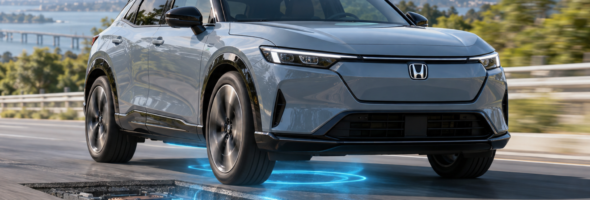
Electric vehicles are usually seen as cars that need electricity. However, with vehicle-to-grid technology, they could also become part of the energy solution.
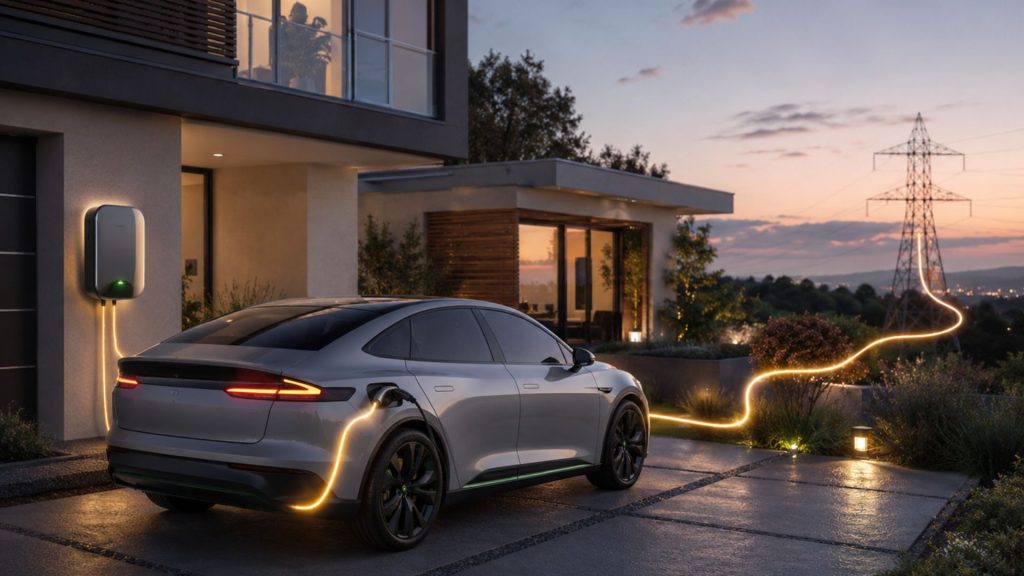
This technology allows an electric vehicle battery to send energy back to a home, building, or power grid. In simple terms, an EV could work like a large mobile battery when it is parked and connected to the right charger.
What Is Vehicle-to-Grid Technology?
Vehicle-to-grid, also called V2G, is a system that allows electricity to move in two directions.
In a normal charging setup, electricity only moves from the grid to the car. With V2G, energy can also move from the car battery back to the grid.
This is possible through bidirectional charging, which requires a compatible EV, a bidirectional charger, and software that manages when energy should be stored or sent back.
How Could EVs Power Homes?
When connected to a compatible home energy system, an EV battery could help power certain parts of a house.
For example, during peak electricity hours, the car could send stored energy to the home. This may reduce the need to buy electricity when prices are higher.
In some situations, an EV could also provide backup power during an outage. This use is often called vehicle-to-home, or V2H. It is closely related to V2G, but the energy goes to the house instead of the wider grid.
Why This Technology Matters
V2G could make electric vehicles more valuable. Instead of staying parked for hours without doing anything, EVs could help balance electricity demand.
This may become more important as homes use more electricity for heating, cooling, appliances, and EV charging.
The U.S. Department of Energy is already working on vehicle-grid integration through EVGrid Assist, a program focused on helping utilities, regulators, manufacturers, and technology providers understand how EVs can connect more effectively with the power grid.
Benefits for Homeowners
The biggest benefit is flexibility. An EV battery could store energy when electricity is cheaper and use it later when energy is more expensive.
It could also support homes with solar panels. During the day, solar energy could charge the vehicle. Later, some of that energy could help power the home.
Another benefit is backup power. For homeowners in areas with outages, an EV with bidirectional charging could become an emergency energy source.
Challenges and Limitations
V2G is promising, but it is not available everywhere.
Homeowners need a compatible EV, a bidirectional charger, proper installation, and support from the electricity provider. Not every electric car can send power back to a home or the grid.
There are also questions about battery wear, electricity pricing, utility rules, and installation costs. Because of this, V2G is still developing and may take time before it becomes common for everyday drivers.
Final Thoughts
Vehicle-to-grid technology could change how people think about electric cars. Instead of being only transportation, EVs could become energy tools for homes and communities.
The idea is simple but powerful: when an electric car is parked, its battery could help power a house, support the grid, or store renewable energy.
For now, V2G is still growing. But as more EVs, chargers, and smart energy systems become compatible, this technology could become an important part of the future of electric mobility.