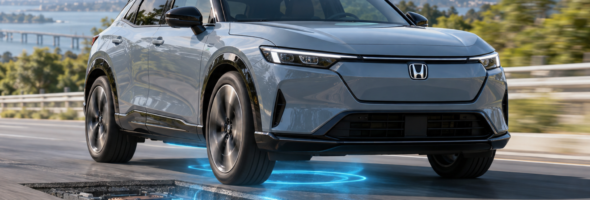
Electric cars can work well in warm climates, but high temperatures can affect how the battery performs. Heat can reduce driving range, make charging less efficient, and contribute to long-term battery aging.
This does not mean electric cars are unsafe in hot weather. Most modern EVs use thermal management systems to keep the battery within a safer temperature range. However, drivers should understand how heat changes battery behavior.
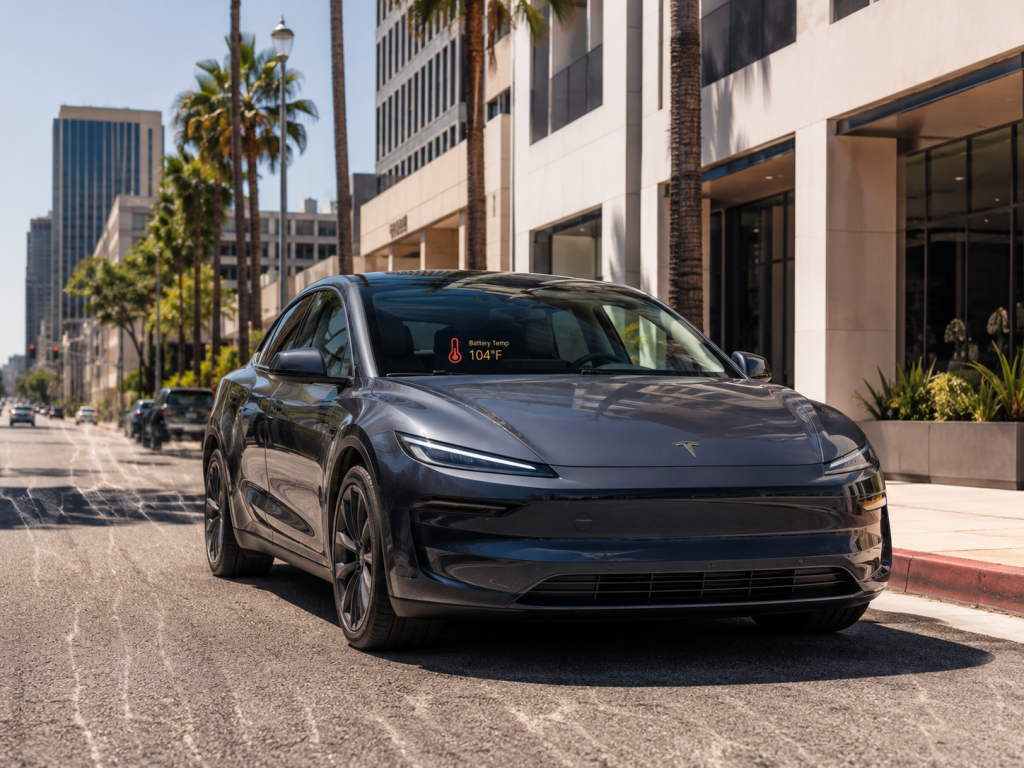
What Happens to an EV Battery in Hot Weather?
Electric cars use lithium-ion batteries. These batteries work best within a moderate temperature range. When the weather is very hot, the battery and cooling system must work harder.
This can use extra energy. As a result, the car may have slightly less range than expected, especially when the air conditioning is running for long periods.
Hot pavement, direct sunlight, heavy traffic, and fast charging can also increase battery temperature.
Does Heat Reduce EV Range?
Yes, hot weather can reduce range. The main reason is energy use. In summer, the car uses power to cool the cabin and manage battery temperature.
According to Car and Driver, EVs may use more energy in very hot conditions to keep batteries cool, which can reduce range. Recurrent data cited by the report found that many EVs keep around 95% of their range at 90°F or below, while range loss can become more noticeable above that temperature.
Can Heat Damage the Battery?
Long-term exposure to high temperatures can speed up battery degradation. This means the battery may slowly lose capacity faster over time.
Geotab’s 2026 EV battery study found that vehicles exposed to hot days degrade faster than those in temperate climates. The study also noted that charging habits and thermal management are important for protecting battery health.
However, battery degradation is usually gradual. It does not happen suddenly after one hot day.
How Heat Affects Charging
Charging can also be affected by high temperatures. If the battery is too hot, the vehicle may slow down charging speed to protect the battery.
This can happen more often during DC fast charging, because fast charging already creates heat. In very hot weather, the car may need to cool the battery before accepting maximum charging power.
Tips to Protect an EV Battery in Hot Weather
Drivers can reduce heat stress with simple habits:
- Park in shade when possible.
- Avoid leaving the car under direct sun for many hours.
- Pre-cool the cabin while the car is still plugged in.
- Avoid frequent DC fast charging in extreme heat.
- Keep the battery between moderate charge levels for daily use.
- Use scheduled charging during cooler hours, such as early morning or night.
- Keep software updated, since EV updates may improve battery and thermal management.
Final Thoughts
Hot weather can affect electric car batteries by reducing range, slowing charging, and increasing long-term battery wear. Still, modern EVs are designed to manage heat safely.
For most drivers, the best strategy is simple: avoid unnecessary heat exposure, charge smartly, and use cooling features before driving. With good habits, electric cars can remain practical even in warm climates.