The electric smart #2 has taken another step toward customer ownership. In a November 6 announcement, smart confirmed the Chinese launch of its Premium version following an event in Guangzhou. The company says series production is underway, initial Chinese deliveries are expected in the coming weeks and European deliveries are planned for 2027.
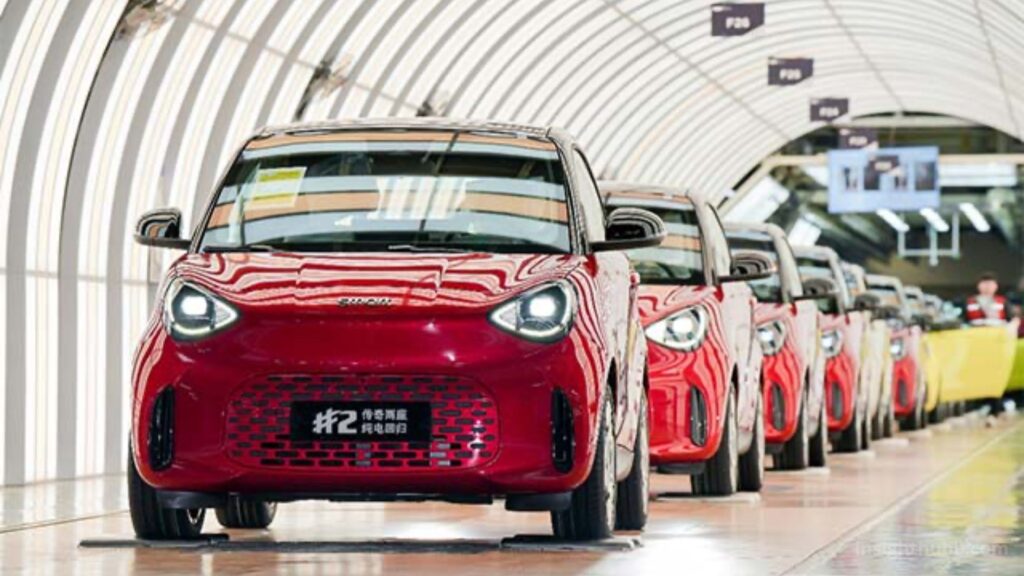
The news is significant because it moves the story beyond a motor-show presentation. A production milestone brings attention to the practical questions that determine whether an appealing idea becomes a useful car.
For the smart #2, those questions revolve around a deliberately compact, two-seat format. Its relevance depends on whether that focused arrangement suits the journeys people actually make.
A small car does not need to meet every possible transport requirement. It needs to serve its intended role convincingly.
The launch is a new stage, not a worldwide delivery date
The model made its world premiere at the Paris Motor Show in October. Smart now reports that its limited Couture Edition has sold out in China and the European markets where it was offered.
Readers should keep those milestones separate. A premiere establishes a product reveal. A market launch describes a commercial step in a specific location. Production and customer delivery add further information.
For buyers elsewhere, the relevant announcement will be the one describing their own market. That should identify the available version, equipment, price and ownership support.
A global product story can be exciting while local purchasing details remain incomplete. Following the stages carefully makes the development easier to understand.
Two seats create a focused ownership question
A two-seat car asks the buyer to be clear about the job it needs to perform.
For someone who usually travels alone or with one passenger, the format may match everyday use closely. A household that regularly carries several people would have a different requirement.
A practical assessment could begin with a week of actual journeys. How many people were aboard? What was carried? How often was the vehicle parked in a tight space?
Those observations would make the comparison more grounded. The decision should reflect repeated needs rather than an imagined maximum requirement that occurs rarely.
The car’s suitability can then be judged against the role it would genuinely occupy.
Compact dimensions should translate into easy use
A city-focused vehicle should be evaluated where its size is expected to help.
A meaningful test drive could include a familiar parking area, ordinary intersections and the streets used most often. Visibility, steering response and confidence when maneuvering would all contribute to the experience.
The driver should also examine entry and exit. A compact exterior does not automatically mean convenient access in every situation.
The most persuasive result would be a car that makes repeated urban actions feel straightforward. Parking is one part of that, but so are checking surrounding traffic, placing the vehicle accurately and reaching frequently used controls without unnecessary effort.
Storage deserves a realistic demonstration
A two-seat cabin still needs to accommodate daily belongings.
Prospective owners could bring a typical shopping bag, work bag or other familiar items to a showroom demonstration. That would reveal whether the available storage supports the intended routine.
The test should include the passenger seat occupied if the car will often carry two people. Using that seat as an overflow storage area can produce an unrealistic impression of practicality.
Small-item storage matters as well. Phones, charging cables, glasses and drinks should have places that are easy to understand.
A focused vehicle becomes more useful when the available space is organized thoughtfully.
Charging should be considered before delivery
The most important charging question is often where the car will normally spend the night.
A buyer with a suitable home setup faces a different routine from someone relying entirely on public infrastructure. Workplace access could create another possibility.
The buyer should map those options before committing, then compare the exact local vehicle specification with the available facilities.
This article does not assign a range or charging figure to the Chinese launch version because the selected launch announcement does not establish a complete local comparison for every market.
The practical principle remains clear: a compact EV should be assessed together with the charging arrangement that will support its everyday use.
Premium should be visible in repeated interactions
Smart describes the #2 as a premium urban vehicle. The most useful test of that positioning is how the car handles ordinary interactions.
Controls should be understandable. Seats should remain comfortable beyond a brief showroom visit. Interior surfaces should feel appropriate where the driver and passenger touch them frequently.
A future review could also examine the interface after the initial setup is complete. Can a driver make a routine adjustment quickly? Are essential functions easy to locate?
Premium value is easier to appreciate when it improves the ownership experience repeatedly, rather than appearing only in decorative details or an elaborate first impression.
Local support will shape the final proposition
The transition to production also raises practical ownership questions.
Buyers will need clear information about warranty coverage, servicing, parts and software support. These details should come from the distributor responsible for the exact vehicle being purchased.
A useful comparison would consider the complete local offer, including service accessibility and any required equipment for charging.
The appeal of a distinctive small car can be strong, but ownership confidence depends on knowing how it will be supported. That becomes especially important for buyers entering an unfamiliar brand or changing from a different type of vehicle.
Why This Matters
The smart #2’s Chinese launch gives the return of the two-seat city car a concrete production milestone.
Its broader interest lies in offering a focused alternative for people whose daily transport needs do not require a larger vehicle.
Independent driving impressions and local specifications will determine how convincing the finished proposition becomes. For now, the next useful step is to compare the car’s intended role with a real week of travel. That will reveal whether its compact approach offers a practical advantage worth considering.