Bentley’s electric era formally begins next month with the debut of the Torcal, the British marque’s first all-electric production model in its 107-year history. Ahead of the official reveal, Autocar was given an early passenger ride in a near-final prototype, offering the first real look at how Bentley’s move into EVs is shaping up. Company CEO Dr. Frank Walliser has described the Torcal as “perhaps the most considered car” Bentley has ever built.
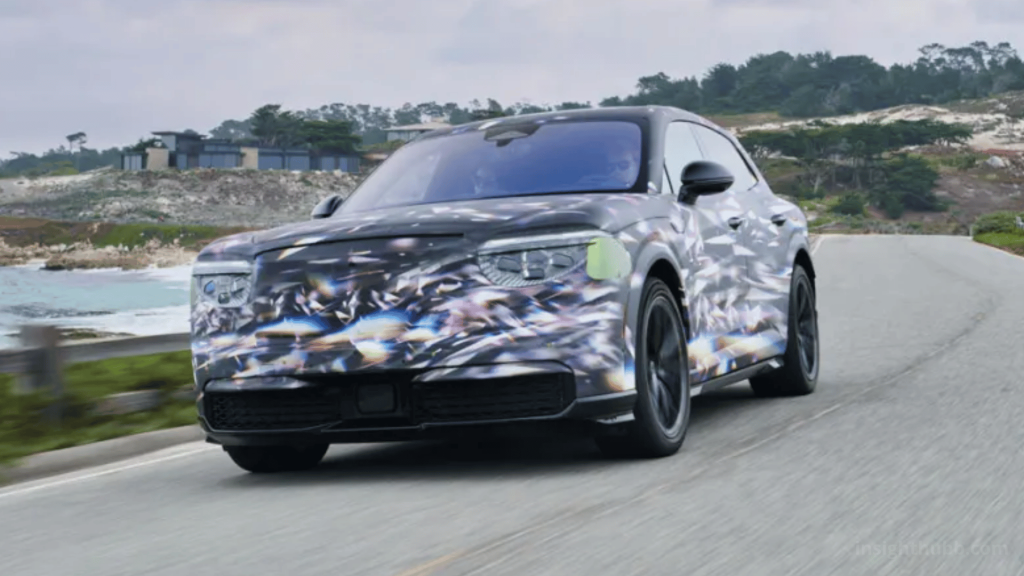
The Torcal is a crossover SUV, shorter and lower-roofed than the brand’s Bentayga flagship, but Bentley says it was engineered to match the Bentayga’s interior space for legroom and headroom despite the smaller footprint. It’s built on the Volkswagen Group’s PPE platform — the same underpinnings used by the Porsche Cayenne Electric and Audi Q6 e-tron — a shared-platform strategy that has become common practice even among ultra-luxury brands looking to control EV development costs.
The Numbers Behind the Prototype
Bentley has confirmed the core performance figures ahead of the September reveal. The Torcal’s powertrain combines a rear motor sourced from the Cayenne Electric with a front motor from the Audi Q6 e-tron, delivering combined peak output of around 850 horsepower, according to Martin Page, the car’s product line director. The Torcal shares the Cayenne’s 113kWh battery and 800-volt electrical architecture, targeting a WLTP range of approximately 370 miles even with 22-inch wheels fitted — base models will use smaller 21-inch wheels, with no 23-inch option offered.
Fast charging peaks at 400kW, which Bentley says can add 100 miles of range in as little as seven minutes, or take the battery from 10% to 80% in under 20 minutes. The Torcal weighs roughly 6,000 pounds, slightly more than the Cayenne S Electric’s approximately 5,700 pounds, and sits between the Cayenne S Electric and Cayenne Turbo Electric in terms of power output.
What Makes It Feel Like a Bentley
The bigger engineering challenge, according to those involved in the project, wasn’t hitting specific performance numbers — it was making an electric SUV feel recognizably like a Bentley rather than a rebadged version of its Volkswagen Group siblings. Autocar’s ride described smooth, controlled body movement over rough pavement, describing the ride quality as consistent with how “Bentley has always done it, in modern times at least.” The Torcal uses two-chamber air suspension at both axles, modified from the Cayenne’s hardware, along with four-wheel steering and active anti-roll bars Bentley calls “dynamic ride.”
Rather than making the Torcal silent, Bentley’s engineers built in a deliberate soundtrack. Bentley’s research and development chief, Matthias Rabe, has said the goal wasn’t simply to simulate a V8 engine note but to recreate the emotional buildup and rumble a combustion Bentley delivers — an approach the brand is applying to sound design as carefully as it applies to material selection elsewhere in the cabin.
A Cabin Built Around Craftsmanship, Not Screens
Inside, Bentley is deliberately avoiding the screen-heavy approach common across much of the EV market. There’s no passenger-side display; instead, Bentley is using that space to showcase materials and craftsmanship, while a prominent central touchscreen handles infotainment. Physical controls remain for climate, volume, and driver-assistance shortcuts, allowing key functions to be operated without looking away from the road. Reported interior details include a mood selector, Ombre wood trim, and full Merino wool upholstery options, continuing Bentley’s traditional emphasis on bespoke materials rather than technology as the primary luxury signal.
A Difficult Moment to Launch an EV
The Torcal arrives at a genuinely complicated time for electric vehicles. Political support for EVs in the US has cooled, federal purchase incentives have expired, and public sentiment toward EVs is, by some measures, as weak as it’s been in nearly a decade. Bentley itself pushed back its original target of going fully electric by 2030, acknowledging that ultra-luxury buyers still value the sound and character of combustion engines — part of why the Torcal’s engineers put so much emphasis on preserving an emotional driving experience rather than just chasing efficiency numbers.
What This Means for Luxury EV Shoppers
The Torcal’s early reviews suggest Bentley is taking a deliberately different approach than rivals chasing headline acceleration numbers or minimalist, screen-dominated interiors. Whether that translates into genuine differentiation once the car reaches full production remains to be seen — Bentley is still finalizing details like exterior sound volume levels, and one of the 60 prototypes currently being tested worldwide was still wearing camouflage during this early ride. For shoppers considering an ultra-luxury electric SUV, the Torcal’s September reveal will be the first chance to see the finished, uncovered product and get official pricing.