Smart clothing—also called e-textiles or wearable tech apparel—is transforming how Americans manage health, fitness, and even work performance. Unlike traditional wearable gadgets that you wear on your wrist or fingers, smart clothing integrates tiny sensors and electronics directly into fabric, offering unparalleled real-time monitoring and personalized insights without sacrificing comfort or style.
This article explores the fast-growing smart clothing market in the US, highlights some leading real smart apparel products, explains key benefits and use cases, and offers tips for US consumers interested in adopting this cutting-edge technology in 2025.
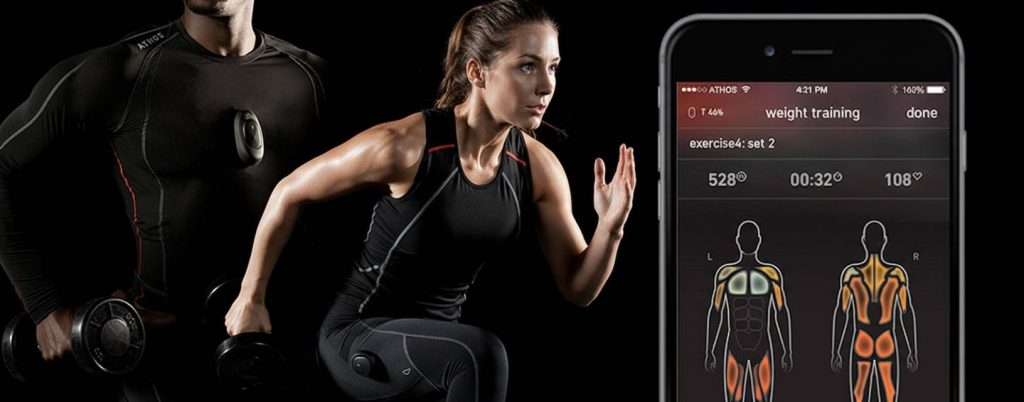
What Is Smart Clothing?
Smart clothing merges fabric with microelectronics and sensors capable of detecting activity, posture, vital signs, and environmental conditions. These garments can monitor heart rate, respiration, muscle activity, temperature, hydration, and even biometrics like sweat composition.
Thanks to advances in textile engineering and miniaturized electronics, smart textiles are increasingly washable, durable, and designed for everyday wear. Importantly, AI-driven data analysis enables personalized feedback, coaching, and health alerts based on continuous data collection.
Market Overview: Smart Clothing Growth in the US
The US smart clothing market is booming, valued at roughly $1 billion in 2022 and projected to reach about $6.63 billion by 2030 with an annual growth rate of over 24%. Major growth drivers include:
- Rising consumer health awareness
- Increasing adoption of telemedicine and remote monitoring
- Expanded sports and fitness use, including injury prevention and recovery
- Military and industrial safety applications
- Integration of AI and IoT technologies for enhanced user experiences
Healthcare and sports/fitness sectors currently lead the market in revenue and innovation.
Real Smart Clothing Products Available in 2025
1. Hexoskin Smart Shirts and Garments
- Features: Embedded textile sensors track cardiac activity (ECG), respiration rate, and physical activity.
- Benefits: Medical-grade data accuracy validated through extensive scientific studies, including over 200 published papers.
- Use Cases: Used by athletes, researchers, and healthcare providers for continuous health monitoring and performance optimization.
- Availability: Available for consumers and professionals, compatible with their Hexoskin Connected Health platform.
2. OMsignal Smart Apparel
- Features: Biometric monitoring shirts and leggings tracking heart rate, breathing rate, stress, and calories burned.
- Benefits: Comfortable wear with seamless data syncing to smartphones for live feedback on workouts and health metrics.
- Use Cases: Ideal for fitness enthusiasts and everyday wellness tracking, integrated with coaching apps.
- Availability: Actively sold in US markets with wearable sensor innovations.
3. Sensowear Biomechanics Platform
- Features: AI-powered motion analysis suits with long sleeves, tights, and modules measuring physical dynamics to improve mobility and balance.
- Benefits: Personalized training feedback for athletes and rehabilitation patients to enhance body control and reduce injury risk.
- Use Cases: Sports training, physical therapy, and ergonomic assessment in clinical and athletic settings.
- Availability: Available for professional and consumer use in the US.
4. Wearable Smart Compression Gear
- Features: Smart compression technology with sensors monitoring muscle fatigue, hydration, and recovery rates.
- Benefits: Supports injury prevention through real-time muscle condition analysis and guide rest periods.
- Use Cases: Used by athletes for enhanced recovery, casual users for better comfort during activity.
- Availability: Products from multiple manufacturers with growing presence in fitness markets.
Benefits of Smart Clothing for US Consumers
- Comprehensive health monitoring: More holistic than wrist wearables as they track over multiple body sites simultaneously.
- Comfort and ease of use: Designed as everyday apparel removing the need for dedicated devices.
- Improved fitness and rehabilitation: Real-time coaching and injury prevention reduces downtime and improves training quality.
- Chronic disease management: Early detection and alerting for conditions like arrhythmia, respiratory illness, or muscular disorders.
- Workplace safety: Monitoring vital signs and environmental factors to reduce workplace accidents and absenteeism.
How to Choose Smart Clothing in 2025
- Purpose: Define whether you want it for fitness, health monitoring, work safety, or recovery.
- Sensor accuracy and validation: Choose products with scientific backing or FDA clearance if monitoring clinical conditions.
- Comfort and durability: Check for washable, breathable materials adapted to your lifestyle.
- Ecosystem compatibility: Ensure apps and data platforms are user-friendly and compatible with your smartphones or clinician’s systems.
- Budget: Prices vary widely from affordable fitness shirts to high-end medical smart garments. Match your investment with intended use.
The Future of Smart Clothing
The trajectory points toward even more seamless integration of smart fabrics into everyday life with innovations in sustainable textiles, AI-powered predictive health analytics, and expansion in fashion and entertainment sectors. Ecosystem integration will enhance data interoperability and personalized health management, making smart clothing an indispensable part of the US consumer tech landscape by the decade’s end.
Conclusion
Smart clothing in 2025 brings a revolutionary blend of textile technology and digital health, offering US consumers reduced friction in health tracking and improved wellness outcomes. Whether you are an athlete, a chronic patient, or a tech-savvy everyday user, smart apparel provides actionable insights with utmost comfort and style. As the market grows rapidly, choosing the right garment becomes critical to unlock maximum benefits.
Adopting smart clothing today can help Americans be proactive about their health and fitness, making 2025 a landmark year for wearable textile innovation.