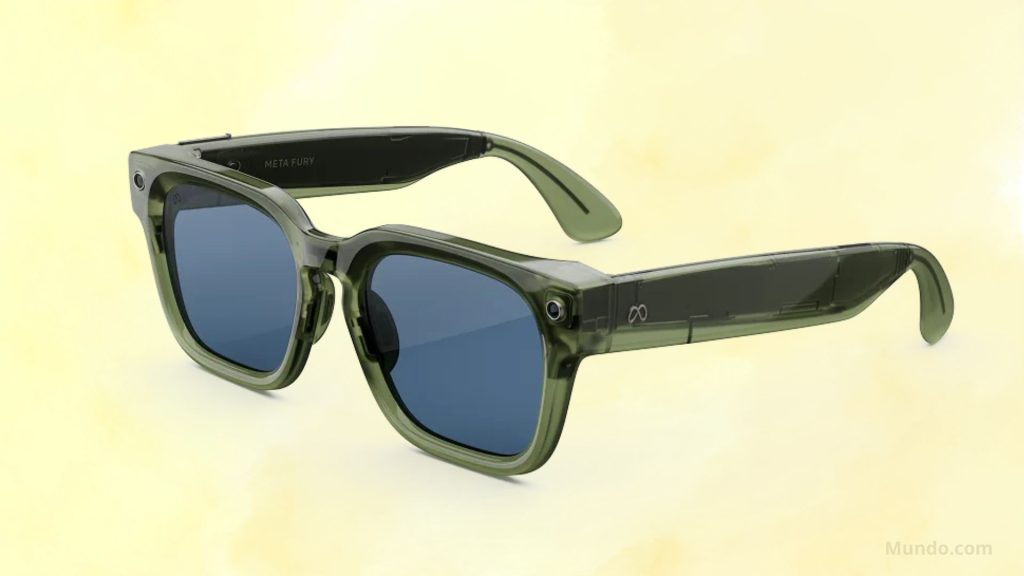
Meta has officially launched its first line of smart glasses that doesn’t carry the Ray-Ban or Oakley name. Called simply Meta Glasses, the new lineup includes three models — the Adventurer, the Fury, and the Kylie Jenner-designed Starfire — and undercuts Meta’s own flagship Ray-Ban Meta line by as much as $80.
The move marks a turning point for the smart glasses category. After years of leaning entirely on EssilorLuxottica’s fashion brands to sell AI-powered eyewear, Meta is now confident enough in the hardware to put its own name on the box — and to sell it for less.
What’s new: Meta drops Ray-Ban, keeps the hardware
The headline isn’t a hardware leap. It’s a pricing move. The Meta Adventurer and Meta Fury both start at $299, while the Starfire — Meta’s collaboration with Kylie Jenner — starts at $399. For comparison, the second-generation Ray-Ban Meta Wayfarer starts at $359, and the Ray-Ban Meta Gen 2 lineup begins at $379.
Under the hood, the new glasses are nearly identical to the existing Ray-Ban Meta Gen 2 hardware: the same 12-megapixel ultrawide camera, 3K video recording, a five-microphone array, and roughly 8 hours of mixed-use battery life that stretches to about 40 hours with the included charging case. There’s no display built into the lenses — Meta is positioning these as camera-and-audio glasses, not an AR headset.
The real differentiation comes from design. All three styles ship with a three-way adjustable nose pad, adjustable temple tips, and over-extension hinges meant to fit a wider range of head shapes. Between the Adventurer and Fury alone, Meta and EssilorLuxottica are offering 26 color and lens combinations, including tortoise, black, and translucent “racing green” finishes, plus transition, polarized, and clear lens options. All three models support prescription lenses with a power range of -12 to +2.25.
Meet the three models
Meta Adventurer is the most conventional of the bunch — a rectangular, Wayfarer-style frame available in standard and large sizes. It’s the closest thing to a direct Ray-Ban Meta substitute, just without the name.
Meta Fury shares that same general silhouette but goes bigger and boxier, with thicker arms and a wider range of bold color options. It’s aimed at buyers who want their glasses to look like a statement piece rather than a quiet accessory.
Meta Starfire, the Kylie Jenner edition, takes a slimmer oval shape with a distinctive rounder profile. It includes a small embedded gemstone near the camera on the right lens, a metal nose pad designed to resist makeup residue, and a charging case with a built-in mirror and a handwritten note from Jenner. The standout software feature: owners can set an AI-generated version of Jenner’s voice for the Meta AI assistant and onboarding prompts.
Muse Spark: Meta’s new on-device AI model
All three new models are the first Meta glasses to ship out of the box with Muse Spark, Meta’s newest AI model for wearables. It handles voice queries, real-time visual understanding, and translation, and is designed to give faster, more contextual answers than the AI system on earlier Ray-Ban Meta glasses. In hands-on demos, the glasses were able to estimate calories in food, translate text from another language in real time, and recommend nearby points of interest based on what the wearer was looking at.
Meta has not added facial recognition to the glasses. The company has said it explored the feature for identifying people the wearer knows, but has paused active development of it while it works through privacy and regulatory concerns.
Privacy: what’s the same, what to watch
Every pair of Meta Glasses includes a visible LED recording indicator and a tamper-detection system that disables the camera if that light is covered or obstructed. That’s consistent with previous Ray-Ban Meta hardware, and it remains Meta’s primary answer to ongoing concerns about smart glasses being used to record people without consent — concerns that have already led to documented misuse cases involving earlier camera-equipped glasses.
If you’re weighing a pair for yourself, the privacy trade-offs haven’t really changed from previous Meta eyewear: you’re still wearing a camera on your face, and the social norms around that are still catching up to the technology.
Where this fits in the smart glasses race
Meta’s timing isn’t an accident. The $299 price point lands just one week after Snap launched its own AR glasses, Specs, at a steep $2,195 — a genuinely different product with a full-color display and a 51-degree field of view, but one that makes Meta’s mass-market strategy look even more deliberate by contrast. Meta and EssilorLuxottica together control an estimated 80%+ of the global smart glasses market, and industry tracking firm IDC reported that smart glasses shipments surged 167% in the first quarter of 2026 compared to the same period a year earlier.
The competitive picture is about to get more crowded. Google and Samsung are working on a Gemini-powered glasses project of their own, and Apple is widely expected to enter the category with in-house hardware in 2027. Meta’s bet is that owning the affordable end of the market now — before bigger rivals fully arrive — will be worth more than protecting premium margins on every pair sold.
Price and availability
- Meta Adventurer: $299
- Meta Fury: $299
- Meta Starfire (Kylie Jenner edition): $399
All three models are available immediately at Meta.com and through EssilorLuxottica retail partners, including LensCrafters, Sunglass Hut, Best Buy, and Amazon.
Should you buy them?
If you’ve been curious about smart glasses but balked at Ray-Ban Meta’s price, the Adventurer or Fury are the easiest entry point available right now — same core hardware, lower cost, more color choices. If personalization and a fashion-forward look matter more to you than saving the extra $100, the Starfire is the one built for that. And if you’re holding out for an actual display in the lenses, none of these three are it — that’s still the territory of the pricier Ray-Ban Meta Display line.