Apple’s AirTag has been one of the most recognizable item trackers for years. It helps users find keys, backpacks, luggage, wallets, and other personal items through Apple’s Find My network.
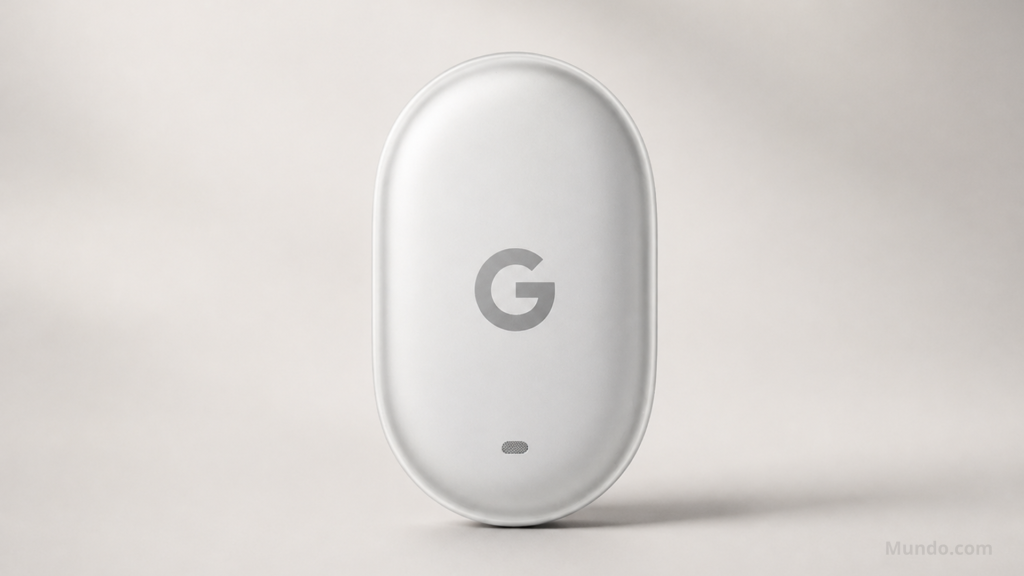
Now, Google may be preparing a direct rival: the Google Pixel Tag.
According to recent reports, images and product information for a device called Pixel Tag appeared ahead of Google’s next hardware event. The product is expected to be a small item tracker designed to help users locate lost belongings through Google’s tracking ecosystem.
What Is Google Pixel Tag?
Google Pixel Tag appears to be a Bluetooth item tracker. Its main purpose would be to attach to everyday objects, such as keys, bags, wallets, or luggage, so users can find them if they are misplaced.
Reports describe the device as a small tracker that could work with Google’s Find My Device network. Android Central reported that leaked product material describes it as a smart tracker that helps users quickly and reliably locate lost items.
If launched, Pixel Tag would give Google a first-party tracker similar to what Apple offers with AirTag.
Why It Matters for Android Users
The biggest reason Pixel Tag matters is simple: Android users have been waiting for a stronger AirTag alternative from Google.
There are already third-party trackers that work with Android, including options from brands such as Chipolo, Pebblebee, and Motorola. However, a Google-branded tracker could make the experience feel more complete for Pixel and Android users.
A first-party tracker could also help Google improve trust, design consistency, setup, and integration with Android phones.
Could It Compete With Apple AirTag?
Pixel Tag could compete with AirTag if it delivers three key things: reliable location tracking, easy setup, and strong privacy protections.
AirTag works well because it benefits from Apple’s large Find My network. Google’s challenge is to make its Find My Device network feel just as reliable for Android users.
The Verge previously noted that Google’s tracker network still had room to improve compared with Apple’s network, especially in location accuracy and consistency.
Because of that, Pixel Tag would not only need good hardware. It would also need a strong tracking network behind it.
What Features Could It Include?
Google has not officially announced full Pixel Tag details yet. However, based on the reports, users may expect basic item-tracker features such as:
Bluetooth-based item finding.
Compatibility with Android phones.
Support for Google’s Find My Device network.
A compact design for keys, bags, or luggage.
Alerts or location guidance through a mobile app.
Some reports have discussed the possibility of advanced tracking features, but details such as UWB support, battery type, price, and launch availability still need official confirmation.
Privacy and Safety Will Be Important
Item trackers are useful, but they also raise safety concerns. These devices can be misused for unwanted tracking.
Because of this, Pixel Tag would need strong anti-stalking alerts and privacy protections. Google and Apple have already worked on cross-platform unwanted tracker alerts, and any new tracker should continue that focus.
For everyday users, this matters because a tracker should help people find lost items without creating new privacy risks.
What This Means for Smart Tracking
Pixel Tag could be an important product for Google if it launches successfully. It would give Android users a more direct alternative to AirTag and could strengthen Google’s Find My Device ecosystem.
Still, the real test will be performance. A good item tracker needs more than a small design. It needs accurate location updates, strong network coverage, simple setup, and serious privacy protections.
If Google gets those details right, Pixel Tag could become one of the most important Android accessories of 2026.