Google has set a firm shutdown date for Google Assistant, the voice helper that has handled timers, weather checks, and smart-home commands on Android devices since 2016. According to emails Google began sending to users this week, the company will start removing Assistant from eligible Android phones and tablets on September 4, 2026, with Gemini, Google’s AI assistant, taking its place.
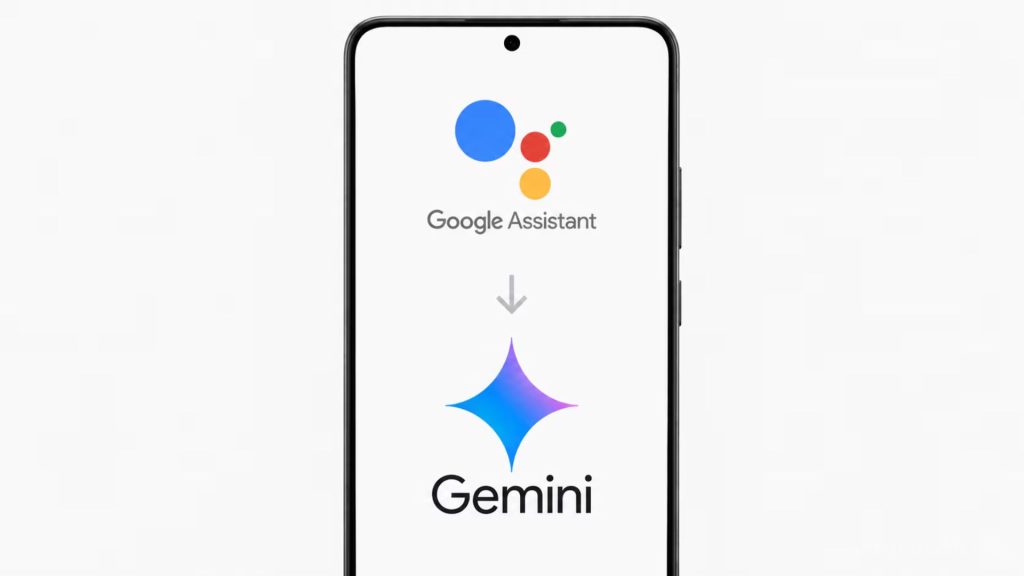
The rollout won’t happen all at once. Google says the transition will take several weeks to reach every eligible account, with timing varying by device and region. Once a given device makes the switch, though, there’s no going back — the email Google sent to users states plainly: “Once availability is removed, you will no longer be able to use or switch back to Google Assistant.”
What Devices Are Affected
The shutdown covers a broader range of hardware than just phones. Android phones and tablets are the primary target, but the change also extends to paired Wear OS smartwatches, headphones and earbuds that relied on a connected phone’s Assistant, and Android Auto when it’s running through a phone-projected connection rather than a car’s built-in system.
Notably, a few categories are excluded from this particular round. Vehicles running Google built-in (officially called Android Automotive, distinct from phone-projected Android Auto) will keep Assistant functioning for now. Google Home smart-speaker devices and Google TV are also not part of this shutdown, and Google has not announced a timeline for when — or whether — those platforms will make the same switch. Most Google smart-home devices had already transitioned to Gemini-based assistance ahead of this announcement.
Why Now
The move fits a pattern that’s played out across nearly all of Google’s major products this year, as the company has folded Gemini into Search, Workspace, and most of its other consumer tools. Assistant had been one of the last major holdouts. According to reporting on the shutdown, Google had originally planned to retire Assistant in late 2025 but delayed the change to give Gemini more time to mature before forcing a full switch.
Google’s own framing draws a clear line between what each product was built to do. Assistant handled straightforward, single-command tasks well — setting a timer, checking the weather, playing a song, dimming the lights. Gemini is designed for more complex, multi-step interactions: remembering context across a conversation, answering open-ended questions, and coordinating tasks across multiple apps rather than executing one command at a time.
Not Everyone Is Convinced
The reaction from longtime Assistant users has been mixed at best. Online discussion of the shutdown has skewed heavily critical, with many commenters saying Gemini underperforms Assistant specifically at the simple, reliable tasks Assistant excelled at — like consistently setting a timer or controlling smart-home devices without extra back-and-forth. Some Assistant features, including certain routines, reminders, Interpreter Mode, and specific media controls, reportedly don’t yet have a complete Gemini equivalent, meaning some users may notice functionality gaps immediately after their device transitions.
What Android Users Should Do Before September 4
If you rely on Google Assistant for routines, custom reminders, or specific smart-home automations, it’s worth checking now whether those features work the same way in Gemini before your device is switched over automatically — since there’s no option to revert once the transition happens. Users can manually switch between Assistant and Gemini on eligible devices in the meantime, which is a reasonable way to test Gemini’s handling of your everyday routines ahead of the deadline. Devices that don’t meet Gemini’s minimum hardware requirements, or accounts in regions where Gemini isn’t yet available, may retain Assistant longer, but Google has been clear that this is a temporary reprieve rather than a permanent exception.