SK Hynix, the South Korean memory chipmaker that has become one of the biggest beneficiaries of the AI boom, held a groundbreaking ceremony on August 27, 2026, for its first US manufacturing facility, an advanced packaging plant in West Lafayette, Indiana. Indiana Governor Mike Braun joined SK Hynix CEO Kwak Noh-Jung and other officials at Purdue University for the ceremony. But alongside the celebratory tone, Kwak delivered a less welcome message for anyone hoping memory prices might ease soon: the current global shortage, he said, is likely to persist through the end of 2030.
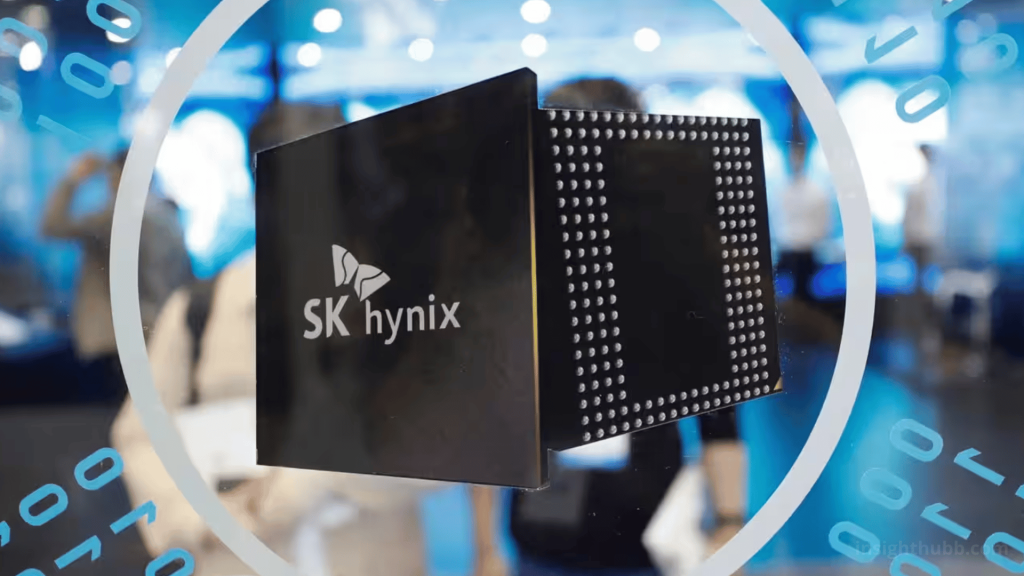
“We are always open (for more investment), but nothing has been decided,” Kwak told reporters after the ceremony, discussing the company’s broader US expansion plans. He said SK Hynix is evaluating potential sites globally based on power, water, and government incentives, adding, “If there is a location that can provide sufficient infrastructure and resources, we are open to anywhere.”
What’s Being Built and When
The Indiana facility represents an investment of more than $4 billion and marks SK Hynix’s first high-bandwidth memory, or HBM, production hub in the United States. The plant is expected to begin volume production of SK Hynix’s next-generation HBM4E chips in the third quarter of 2029, with capacity eventually reaching hundreds of thousands of wafers annually. The project has also received $458 million in federal funding under the CHIPS Act, and Kwak said the site is intended to make Indiana a “key HBM production base in America” by 2030.
The location wasn’t arbitrary. Purdue University has built a significant semiconductor workforce pipeline, launching the nation’s first comprehensive Semiconductor Degrees Program in 2022; more than 800 students are currently pursuing semiconductor-related credentials there, including through a specialized program focused on the defense sector’s supply chain needs.
Why the Shortage Keeps Getting Worse
The root cause of the ongoing memory crunch is straightforward, even if the fix isn’t: demand for high-bandwidth memory used in AI data centers has grown faster than manufacturers can build new capacity to supply it. Kwak said he sees “no clear signs of a downturn” in that demand, and even if one eventually emerges, he expects it to ease gradually rather than collapse the way memory cycles have crashed in the past. According to Kwak, customers are seeking 60% to 100% more AI memory from SK Hynix in 2027 compared with this year alone — a demand curve that continues to outpace new capacity coming online industry-wide.
SK Hynix isn’t alone in racing to expand. Rival Samsung Electronics is investing $37 billion in its own Taylor, Texas foundry, with a second production line targeting mass production by 2030. Industry analysts tracking the sector note that Nvidia’s own server demand has reportedly pushed some memory suppliers to raise prices, with HBM costs potentially climbing more than 50% in 2027 alone, according to industry research firm TrendForce.
Part of a Much Bigger US Bet
The Indiana plant is one piece of a larger expansion. SK Hynix said its total US investments and assets are expected to exceed $45 billion by 2030, including a $10 billion “AI Company” investment vehicle launched in January and its Solidigm subsidiary, created when SK Hynix acquired Intel’s NAND memory business. The company listed shares on the Nasdaq in July 2026, raising $26.5 billion — the largest US listing ever for a foreign company — and its market capitalization has grown roughly sevenfold over the past year, surpassing $1 trillion.
Why This Matters Beyond the Chip Industry
For anyone who has noticed rising prices on laptops, smartphones, or smart-home devices this year, Kwak’s comments offer a blunt explanation for why that trend isn’t likely to reverse soon. When the CEO of one of the world’s two largest memory manufacturers publicly projects a shortage lasting through 2030, that’s a signal worth taking seriously for anyone planning a major electronics purchase in the next few years. New capacity like the Indiana plant will eventually help close the gap between supply and demand, but with volume production not expected until 2029 at the earliest, consumers shouldn’t expect meaningful relief on memory-driven price increases anytime in the near term.