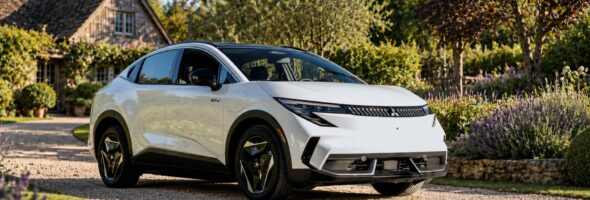
The Ford Fiesta electric comeback could become one of the most important small-car stories in Europe. Early reports suggest Ford may revive the Fiesta as a fully electric model built in France.
What Happened
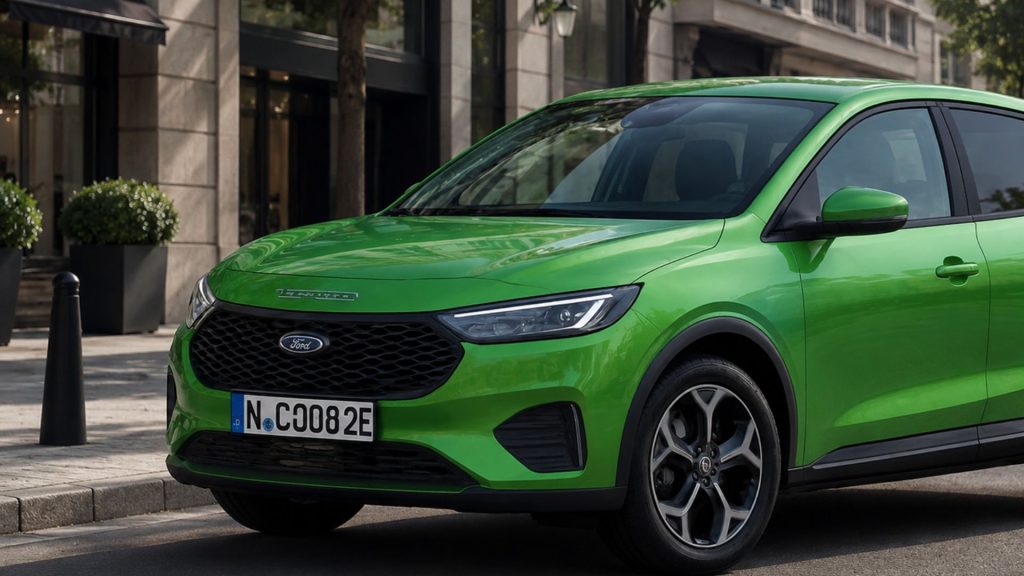
According to the information available, Ford is preparing a new electric successor to the Fiesta, a model that ended production in 2023. The car would reportedly be manufactured at Renault’s Douai plant in northern France.
The project is expected to use technology related to the Renault 5 E-Tech and the new Nissan Micra. Both models are part of Renault Group’s electric strategy for compact vehicles in Europe.
Ford has not confirmed final details such as the official name, price, battery size, range, or launch date. For now, the report points to a Ford-designed electric small car using a shared platform approach.
Why the Ford Fiesta Still Matters
The Fiesta was one of Ford’s most recognized compact cars, especially in Europe and the United Kingdom. It was known for being practical, affordable, and enjoyable to drive.
Its discontinuation left a gap in Ford’s European lineup. In recent years, the brand has focused more on SUVs, crossovers, commercial vehicles, and larger electric models.
A small electric Fiesta could help Ford return to a segment that still matters for city drivers. Compact EVs are especially useful in Europe, where streets are narrower, fuel costs are high, and parking space is limited.
What Is Known So Far
The reported plan connects Ford with Renault’s Ampere electric platform. This platform already supports models such as the Renault 5 E-Tech and is also linked to the electric Nissan Micra.
This would not necessarily mean the new Fiesta would look like a Renault. Ford is expected to keep its own design, driving feel, and brand identity.
However, using an existing EV platform could help reduce development time and cost. That is important because affordable electric cars remain difficult to build profitably.
Why This Matters for Drivers
For drivers, the biggest question is affordability. Many electric cars in Europe remain expensive compared with traditional small hatchbacks.
If Ford can offer a compact EV with a familiar name and competitive pricing, it could attract buyers who want something smaller than an SUV. It may also appeal to former Fiesta owners who have been waiting for a practical electric replacement.
Still, details remain limited at this stage. Ford has not confirmed whether the Fiesta name will officially return, or whether the car will be positioned as a direct successor.
The Bigger Picture
The possible Ford Fiesta electric comeback also shows how the car industry is changing. Automakers are increasingly sharing platforms, factories, and technology to make EVs more affordable.
Renault’s Douai plant has become an important production hub for electric vehicles in France. If Ford uses that factory, it would show how traditional rivals can cooperate in specific areas while still competing in showrooms.
This strategy could become more common as brands face pressure from Chinese EV makers, stricter emissions rules, and changing customer demand.
The Bottom Line
The return of the Fiesta as an electric car is not fully confirmed, but the idea makes sense for Ford’s European strategy. A compact, efficient, and recognizable EV could give the brand a stronger position in the small-car market.
For now, buyers should treat the news as an early report rather than a final product announcement. The most important details to watch are the official name, launch timing, price, range, and whether Ford can keep the fun character that made the Fiesta popular.