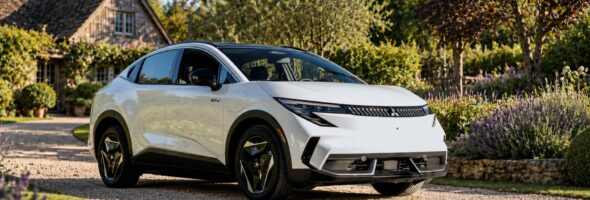
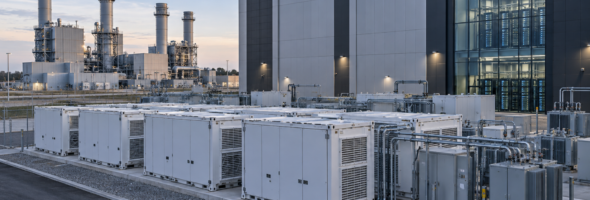
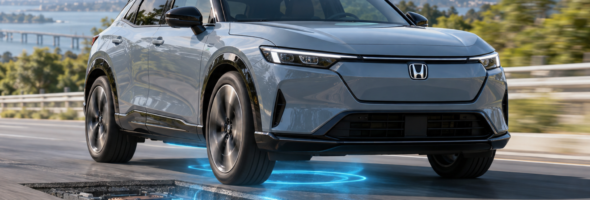
One of the biggest concerns about electric cars is charging time. Many drivers like the idea of driving an EV, but they still worry about waiting too long at charging stations.
That is why c has attracted so much attention. The Chinese automaker says its new charging technology could help electric vehicles charge almost as quickly as filling a gasoline car.
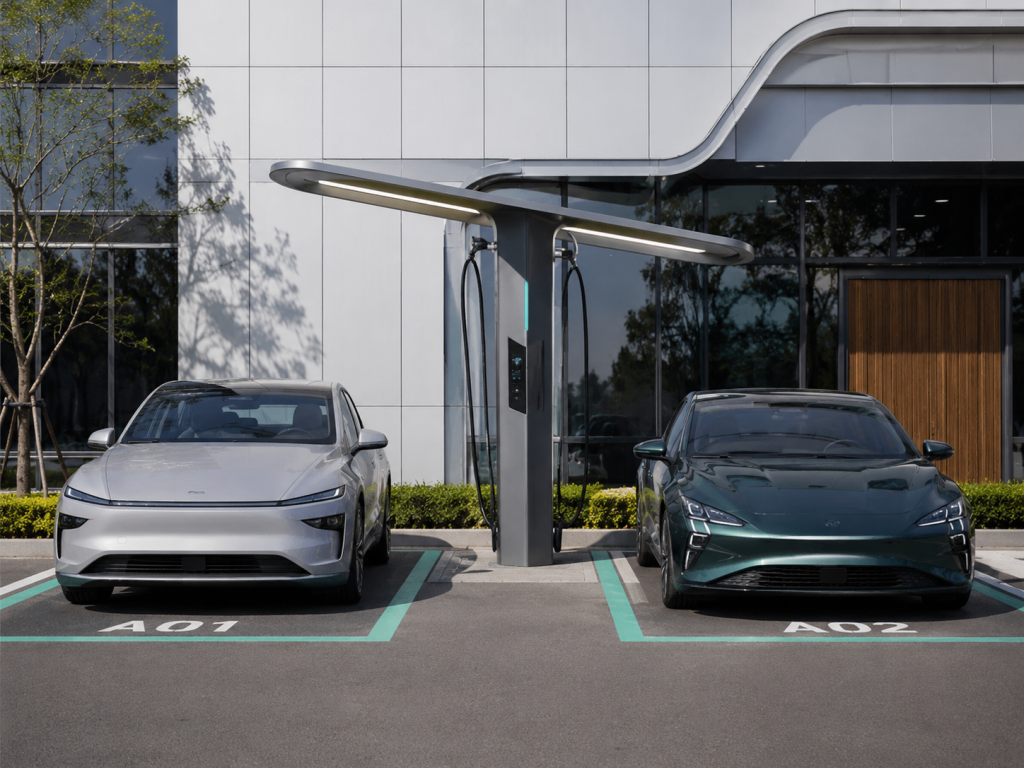
What Is BYD Flash Charging?
BYD Flash Charging is an ultra-fast charging system designed for compatible electric vehicles. It is part of BYD’s Super e-Platform, which was introduced in March 2025.
According to BYD, the platform uses a full-domain 1000V high-voltage architecture and can reach 1 megawatt, or 1000 kW, of charging power. The company says this can add up to 400 km of range in just five minutes on supported vehicles.
How Does It Work?
To reach this speed, BYD uses very high voltage and current. The system combines a 1000V architecture, a charging current of 1000A, and what BYD calls a Flash Charging Battery.
BYD says the battery is designed with ultra-fast ion channels that reduce internal resistance. This helps the battery accept energy faster during charging. The company also links the technology with new silicon carbide power chips and high-performance electric motors.
In simple terms, the car, battery, and charger are built to move electricity much faster than a normal EV charging setup.
Why It Matters for Electric Cars
Fast charging could remove one of the biggest barriers to EV adoption: charging anxiety.
If a car can recover hundreds of kilometers of range in a few minutes, long-distance travel becomes easier. Drivers would not need to plan long stops as often. This could make EV ownership feel more practical for people who are used to gasoline cars.
Reuters reported that BYD’s platform can charge EVs as quickly as it takes to pump gasoline and add about 249 miles of travel in five minutes. BYD also said it aims to build more than 4,000 ultra-fast charging units in China.
Which Cars Will Use It First?
BYD said the technology would first appear on the Han L sedan and Tang L SUV. These models were introduced as part of the Super e-Platform rollout.
This is important because the technology is not for every EV yet. A vehicle must be designed to handle this level of charging safely.
The Main Benefits
The most obvious benefit is speed. Five minutes of charging for up to 400 km of range could make EV charging much more convenient.
It could also help EVs compete more directly with gasoline cars. For many buyers, the charging experience matters as much as range.
Another benefit is confidence. If ultra-fast chargers become common, drivers may feel more comfortable choosing an electric vehicle.
Challenges and Limitations
The technology still has challenges. Ultra-fast charging requires special infrastructure. A normal charger cannot deliver this kind of power.
There are also questions about battery durability, heat management, grid demand, and cost. High-speed charging can put stress on batteries if thermal management is not strong enough.
In addition, availability will matter. Even if a vehicle supports Flash Charging, drivers need access to compatible stations.
BYD Flash Charging could be a major step for electric cars. If the technology works at scale, it could make EV charging feel much closer to refueling a gasoline vehicle.
For now, it is still limited to compatible models and specific charging infrastructure. However, the idea is important: faster charging could make electric cars easier, more convenient, and more attractive for everyday drivers.