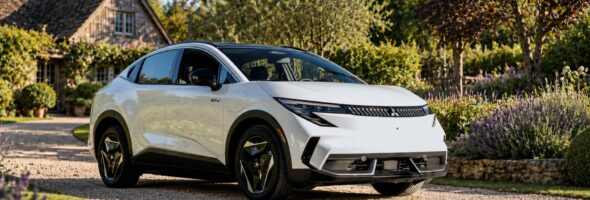
The 2026 Toyota C-HR EV arrives as Toyota expands its electric lineup in a year when buyers have more choices than ever. It brings strong performance, modern styling, and practical range, but it also raises important questions about value and technology.
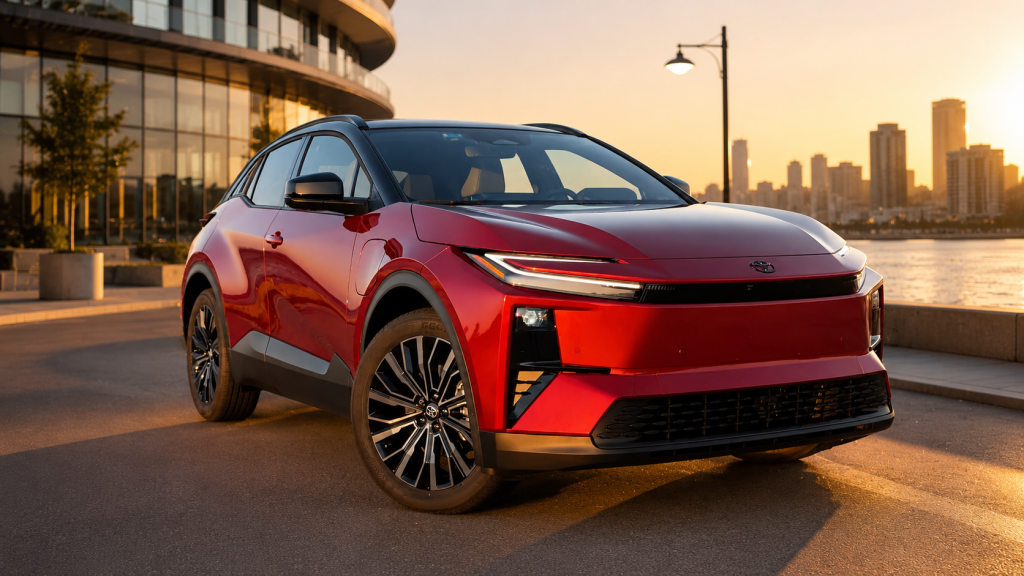
What Happened
Toyota has brought back the C-HR name in the United States as a fully electric small crossover. The model returns after Toyota removed the previous gasoline C-HR from its U.S. lineup in 2022.
According to Toyota, the 2026 C-HR EV uses a 74.7-kWh battery and delivers 338 net combined horsepower. It also comes with all-wheel drive, a NACS charging port, and an EPA-estimated range of up to 287 miles.
What Is Known So Far
The C-HR EV is offered with two main range figures. The SE trim is rated at up to 287 miles, while the XSE trim is rated at 273 miles. InsideEVs reported an as-tested price of $41,095 with destination for the version reviewed.
Charging performance appears practical for daily use and road trips. Toyota says the vehicle can charge from 10% to 80% in about 30 minutes, while InsideEVs observed a 15% to 80% charge in 26 minutes during testing.
Why It Matters for EV Buyers
The C-HR EV enters a competitive part of the market. Buyers near the $40,000 range can also consider models such as the Hyundai Ioniq 5, Chevrolet Equinox EV, Nissan Leaf, Chevrolet Bolt, and Tesla Model 3. That makes price, software, charging, comfort, and interior usability especially important.
Its strongest points are easy to understand. The C-HR EV is quick, compact, and likely easier to park than larger electric SUVs. Its standard all-wheel drive also gives it an advantage over some front-wheel-drive rivals.
However, early reviews suggest that the technology experience may feel less advanced than expected. InsideEVs noted that the vehicle uses an older Toyota infotainment system, even though newer Toyota and Lexus models are moving toward the Arene software platform.
What Could Affect Its Success
For many buyers, the C-HR EV may come down to priorities. Drivers who want a small electric SUV with quick acceleration and Toyota branding may find it attractive. However, shoppers focused on software, cabin layout, or overall value may compare it closely with newer rivals.
The timing also matters. In 2026, electric vehicles are no longer judged only by range. Buyers now expect fast charging, simple route planning, smart infotainment, comfortable interiors, and strong value. Because of that, the C-HR EV has to compete on more than performance.
What to Keep in Mind
The 2026 Toyota C-HR EV is not a weak entry, but it may not feel as complete as some competitors. It offers useful range, strong power, and a compact shape, yet its software and interior experience could make some buyers pause.
For Toyota, the model shows progress in electric vehicles. Still, it also shows how quickly expectations are rising in the EV market. In this segment, a new electric SUV needs to feel modern in every area, not just on paper.